Waste management has become a priority for today’s society due to the increasing amount of waste generated by people’s activities. Environmental and sustainability concerns have led governments and companies to look for more efficient ways to manage waste. It is important to understand the difference between hazardous and non-hazardous waste in order to comply with current regulations, which vary depending on the type of waste.
Regulation 22/2011 on waste and contaminated land establishes the regulatory framework for the treatment and management of both types and sets guidelines for the prevention and mitigation of their effects. In this article we will focus only on non-hazardous waste and its proper management.
What is non-hazardous waste?
Non-hazardous waste is waste that, based on its nature and composition, does not pose a significant threat to human health or the environment. These wastes can come from domestic, commercial, industrial and agricultural activities, and include a variety of materials such as paper, paper, plastic, metal, glass and organic wastes. Unlike hazardous waste, which requires special treatment due to its toxicity, flammability, or decomposition among others, non-hazardous waste can be treated by more conventional and safer methods.
How non-hazardous waste is classified
The classification of non-hazardous waste is important because it allows us to identify and separate the different types of materials for their appropriate treatment, recycling or final disposal. In this way, the following groups are established:
Urban (or municipal) waste
They come from a variety of household, office, commercial and service activities. These wastes include waste from households, businesses, factories and industries. They include food scraps, packaging, paper, cardboard, plastic, metal or glass. This waste is managed by the municipal agencies that maintain cleanliness in cities as long as it is not considered hazardous.
Inert (or light) industrial wastes
Inert industrial wastes are those that are insoluble and do not change physically or chemically. They are also non-biodegradable and therefore do not pollute water or soil. These wastes are mostly produced in industries and do not pose a threat to the environment or human health.
Construction waste Construction waste is waste from activities related to construction, maintenance and demolition. These wastes include various materials such as cement, bricks, wood, plaster, glass, and metal. The management of construction waste is important because of its volume and recycling potential.
Recoverable waste
Waste that can be recycled and reused, providing economic and environmental value. These wastes include paper, cardboard, scrap metal and plastic. The recovery of these materials involves their collection, sorting and treatment to convert them into secondary raw materials, thus promoting a circular economy. Sometimes it can be difficult to determine the nature of a waste or its exact composition. In this case, we can consult the list of non-hazardous waste in the European List where only hazardous waste is marked with an asterisk. Otherwise, it would not be considered hazardous.
Non-hazardous waste management
The management of non hazardous waste involves several processes designed to minimize its environmental impact and maximize the recovery of useful materials. The main steps in the management of these wastes are as follows:
Collection and transportation of non-hazardous waste
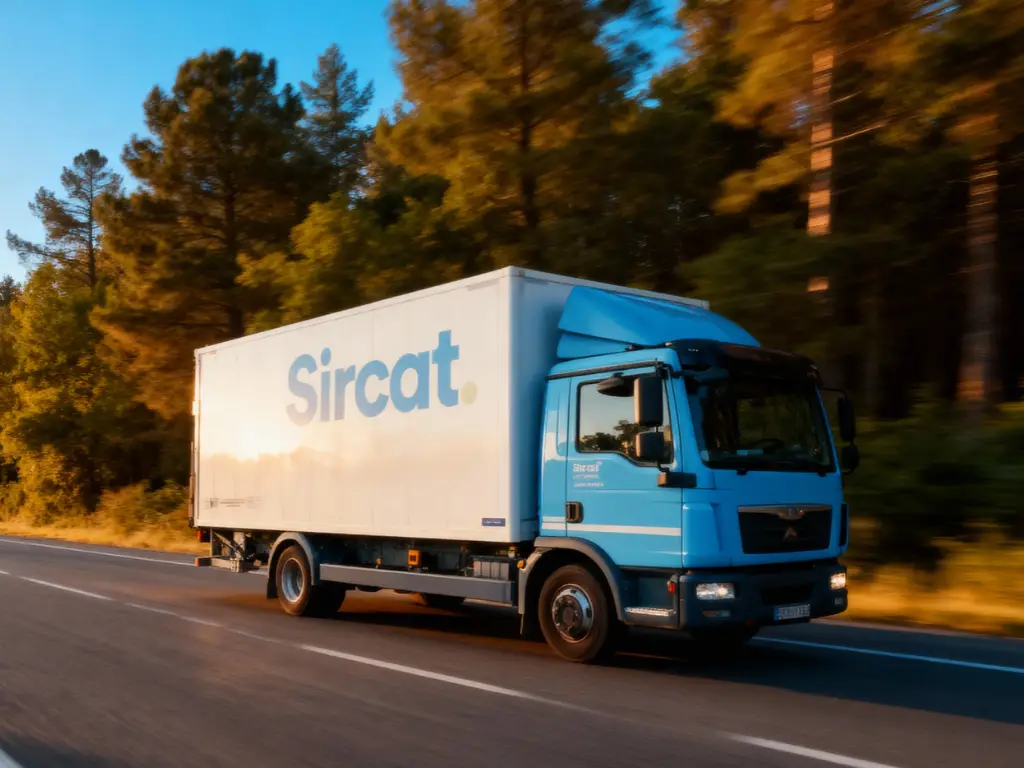
This is the first step in the management of non-hazardous waste. It is collected at the points of generation (households, businesses, factories) and transported safely to treatment or disposal facilities. Efficiency in collection and transportation is crucial to minimize costs and greenhouse gas emissions.
Separation and classification
Once collected, the waste is separated and sorted according to its type and characteristics. This can be done manually or automated in recycling plants. Efficient separation allows materials such as paper, plastic, glass and metal to be sent to specific recycling processes.
Treatment of non-hazardous waste
The treatment of each waste depends on its composition and state, although they are predominantly related to waste recovery and final treatment:
- Recycling: Recyclable materials are processed for reuse in the manufacture of new products.
- Composting: Organic waste, such as food scraps and yard waste, can be composted to produce natural fertilizer.
- Thermal treatment: In some cases, non hazardous waste can be treated by thermal processes, such as incineration, to reduce its volume and generate energy.
Although controversial, this practice can be effective if properly managed. - Final disposal: Waste that cannot be recycled, composted or thermally treated is disposed of in controlled landfills.
In conclusion, non hazardous waste management is a complex but fundamental process to promote environmental sustainability and resource efficiency. Actively collaborating in the proper management of waste, both at the individual and corporate level, contributes to creating a cleaner, healthier and more sustainable future for all. At Sircat we are specialists in the collection and management of hazardous and non-hazardous waste and our collection and management processes comply with the highest standards of traceability, safety and good operational and environmental practices.