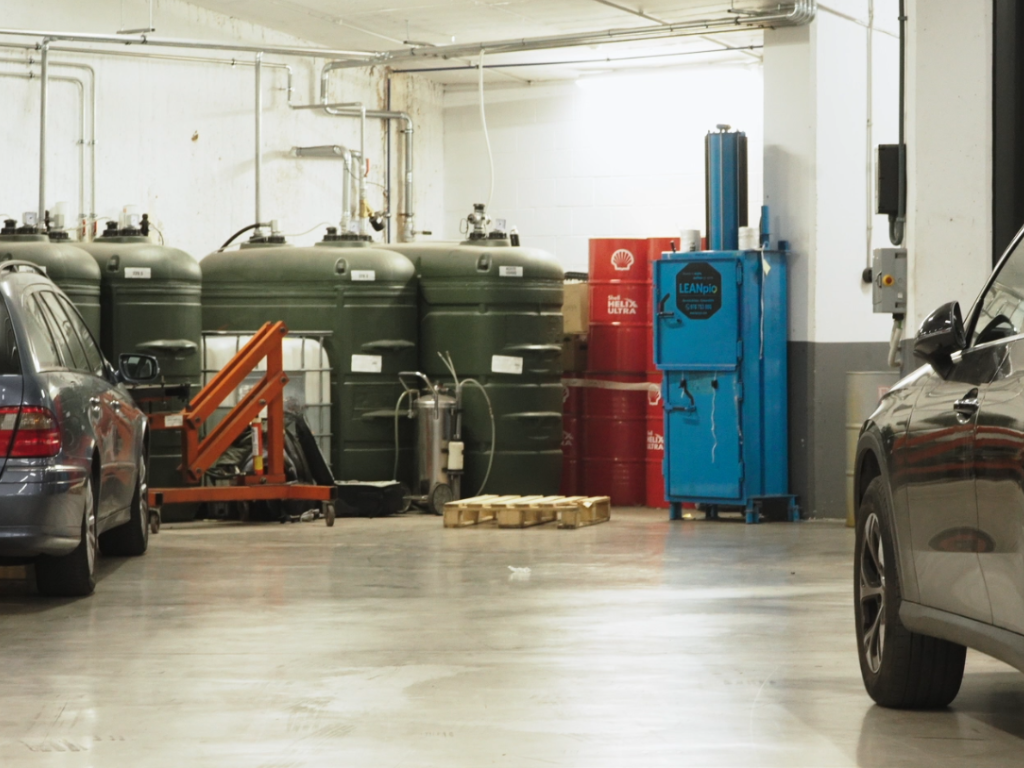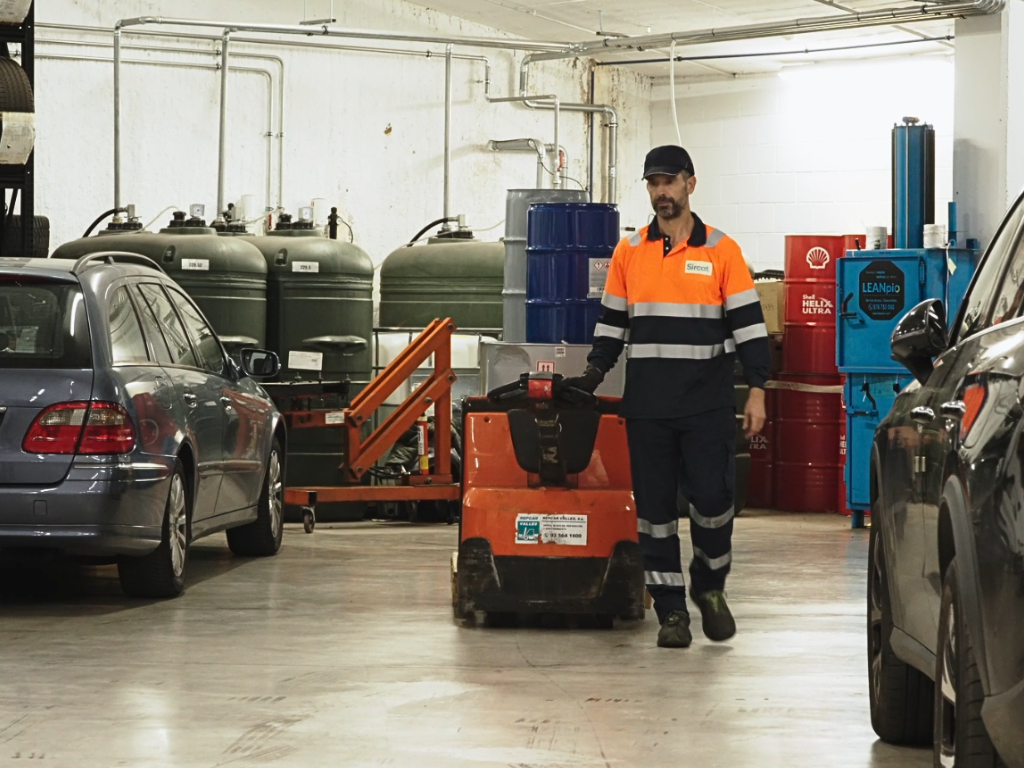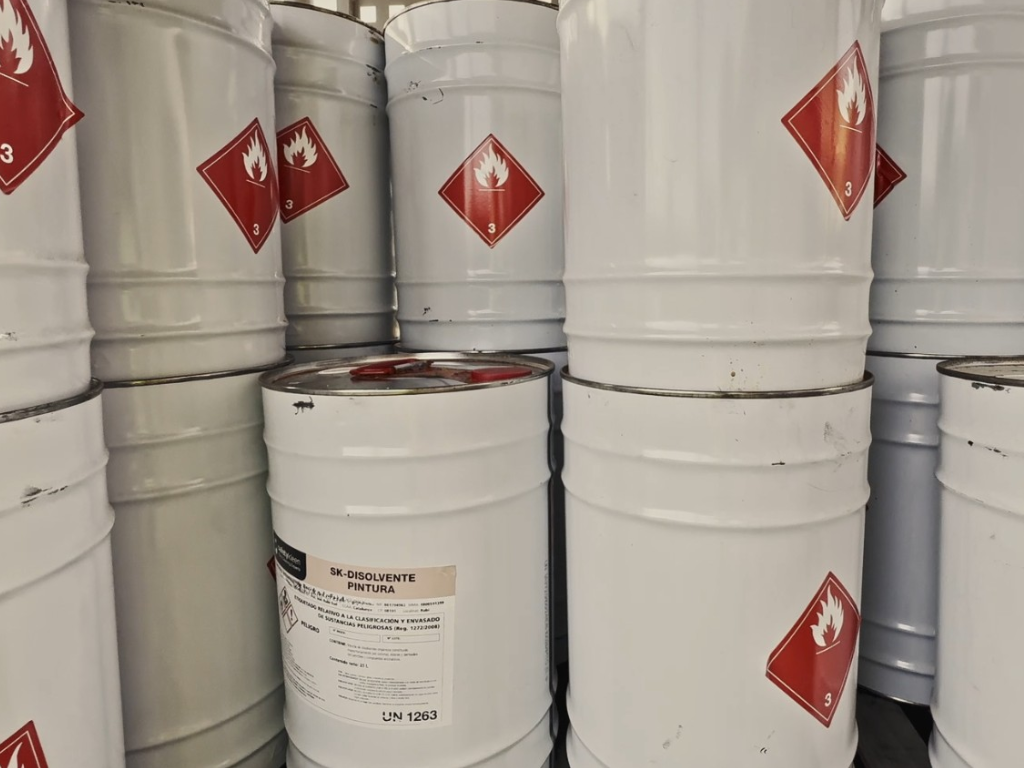
In a workshop or plant, waste separation is not just “recycling”, it is a basic safety and service quality control. When each fraction is stored where and how it belongs, improper waste is reduced, removals are optimized and unexpected stoppages and possible incidents in the workshop or plant are avoided.
In addition, segregation at source is an obligation of the waste producer according to current regulations. Compliance is easier with the right organization: well-detected generation points, well-labeled containers and good team training.
Why it is important to separate correctly
Good sorting improves recovery and reduces costs associated with rejections, returns or incidents. It also helps to reduce emissions associated with the life cycle of materials and, in general terms, contributes to reducing greenhouse gas emissions by facilitating the return of recoverable waste to the circuit, thus favoring the circular economy.
Safety and business continuity
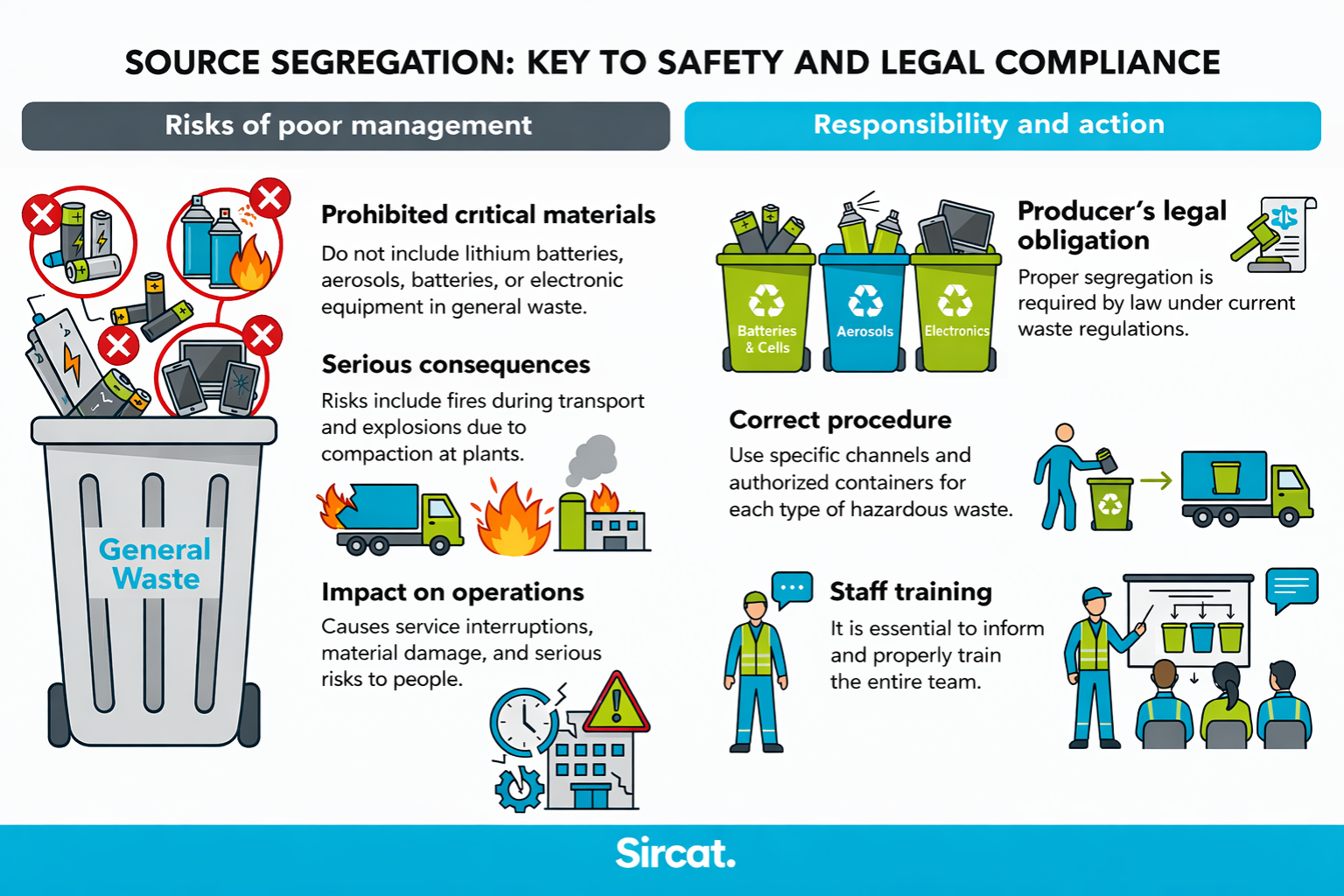
In recent months, there has been an increase in the number of incidents at waste management facilities involving hazardous waste found in the non-hazardous/non-hazardous fraction. Elements such as lead batteries, aerosols, batteries or electronic equipment (WEEE) can trigger fires during storage or transport, and also cause incidents during in-plant compaction by compression or perforation. The impact goes beyond the material: service interruptions, damage to installations and, above all, serious risks for people and the environment.
Quick guide: what goes in which container
In workshops and industries, the key is to avoid improprieties: each type of waste must be stored separately. If in doubt (especially with batteries, batteries, aerosols or WEEE), ALWAYS consult with your contracted authorized manager and NEVER mix it with any other type of stored waste.
(Coding and criteria may vary by municipality or manager; check your local guide and internal procedure).
- Clean paper/cardboard: cardboard packaging, graphic paper, boxes…
- Plastics and non-contaminated packaging: plastic boxes, buckets, packaging, drums, pipes, bottles…
- Wood and pellets: Sawdust, wood dust, shavings, chips, cuttings, packaging and wood waste from construction sites.
- Banal: Only those non-hazardous wastes that cannot go in any other fraction.
In the aforementioned waste (banal and other non-hazardous) NEVER deposit: lithium batteries, batteries, aerosols, WEEE/electronic equipment, containers with remains of hazardous products, contaminated absorbents.
- Metals: Ferrous/non-ferrous scrap, offcuts, clean shavings, catalysts…
- Packaging y contaminated plastics: Drums. IBC’s, sacks, demijohns, containers…
- Contaminated absorbents: Rags with solvent/oil, used absorbents, contaminated PPE (at manager’s discretion).
- WEEE: End-of-life electrical and electronic equipment, cables, luminaires (according to type), etc.
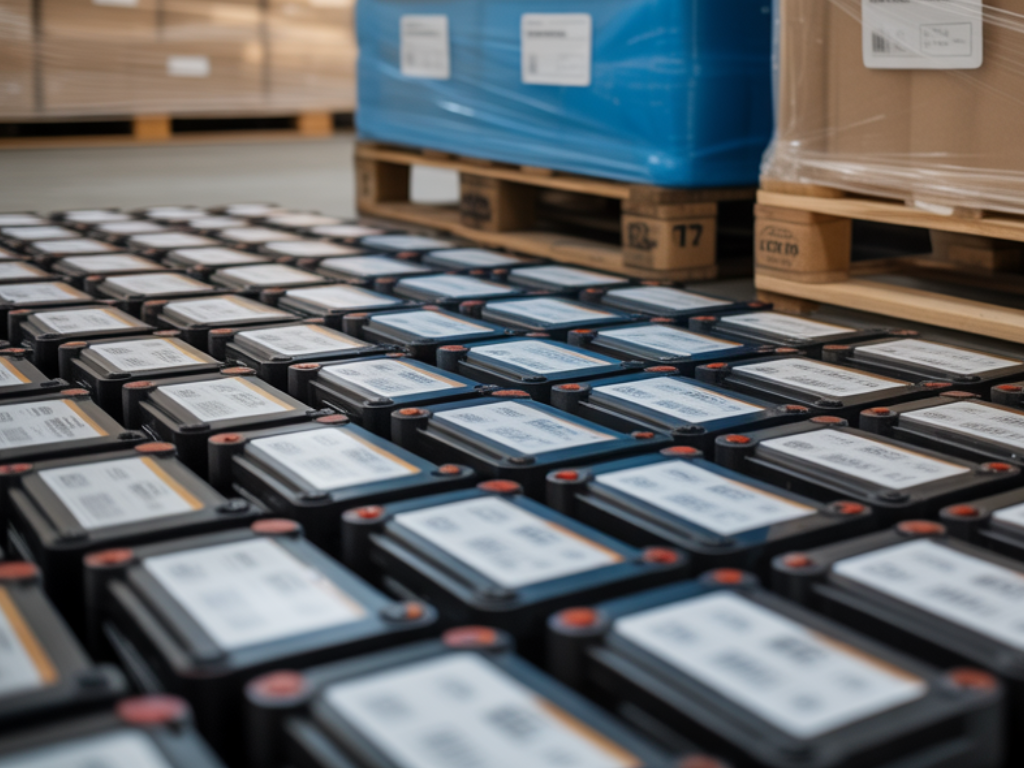
- Cells and batteries (including lithium batteries): Always in a specific channel and in a suitable and watertight container, without mixing. Never mix lead batteries with lithium batteries.
- Aerosols and other wastes with pressurized gas: Specific channel; do not mix with banal or handle in any way.
- Oils and other liquids: Suitable and watertight containers.
Prevention checklist
Is the correct container at the point of generation and does the signage include actual examples from the facility itself? Before finishing, perform a routine visual check and confirm that batteries, batteries, aerosols and WEEE are stored in specific and clearly visible containers. Finally, report doubts, incidents and improprieties in order to correct the process and prevent the error from being repeated.
Frequent errors
These frequent errors deserve special attention because they often occur “as a matter of course” and yet they are the ones that most quickly turn a good segregation at source into a serious safety and quality problem. In workshops and industries, the risk is not only in mixing fractions: it is also in the risk of placing hazardous waste in the banal or other non-hazardous waste, which can lead to incidents during storage, transport or management at the plant.
The most common triggers are usually:
- Lithium batteries (even if they are small or “discharged”).
- Batteries and accumulators.
- Aerosols and other pressurized containers (half-empty, pressurized).
- WEEE/electronic equipment ( cables, tools, small devices…).
- Other hazardous or hazardous wastes or reagents incorrectly identified.
And why is it so important to tackle it? Because the impact is twofold:
- Operational and economic: rejects, loss of recovery, returns, incidents, cost overruns, stoppages and service interruptions.
- Safety critical: risk of fires, spills or incidents due to improprieties in sensitive phases of the waste management process.
The good news is that it is corrected with simple and consistent measures: specific containers at the point of generation, labeling and signage with real examples from the center itself, a quick visual check and a clear channel to resolve doubts before depositing.
Separating at source is essential to protect your equipment, avoid hazardous waste, reduce costs and improve continuity of service. If you have doubts about a waste or the correct container, consult before depositing and rely on an authorized waste manager.