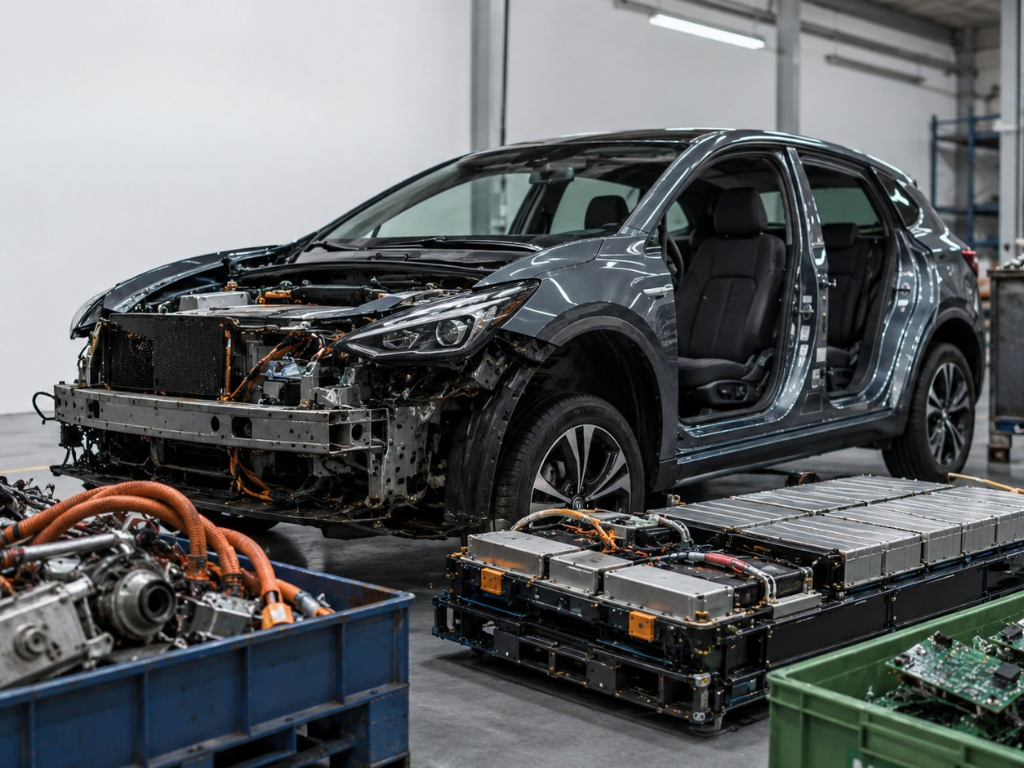
The transition to electric mobility is progressing at a steady pace. More and more electric vehicles are on our roads, and with them comes a question that many companies have not yet asked themselves: What happens to all those components when they reach the end of their useful life?
Contrary to popular belief, electric cars are not zero-waste. They simply generate different types of waste than internal combustion engine vehicles. Properly managing electric vehicle waste is a legal obligation, an environmental imperative, and, increasingly, a competitive advantage for companies that integrate the circular economy into their operations.
What kind of waste does an electric car produce?
An electric vehicle at the end of its useful life contains several waste streams that must be treated separately. Each requires a specific process and, in many cases, an authorized waste management operator:
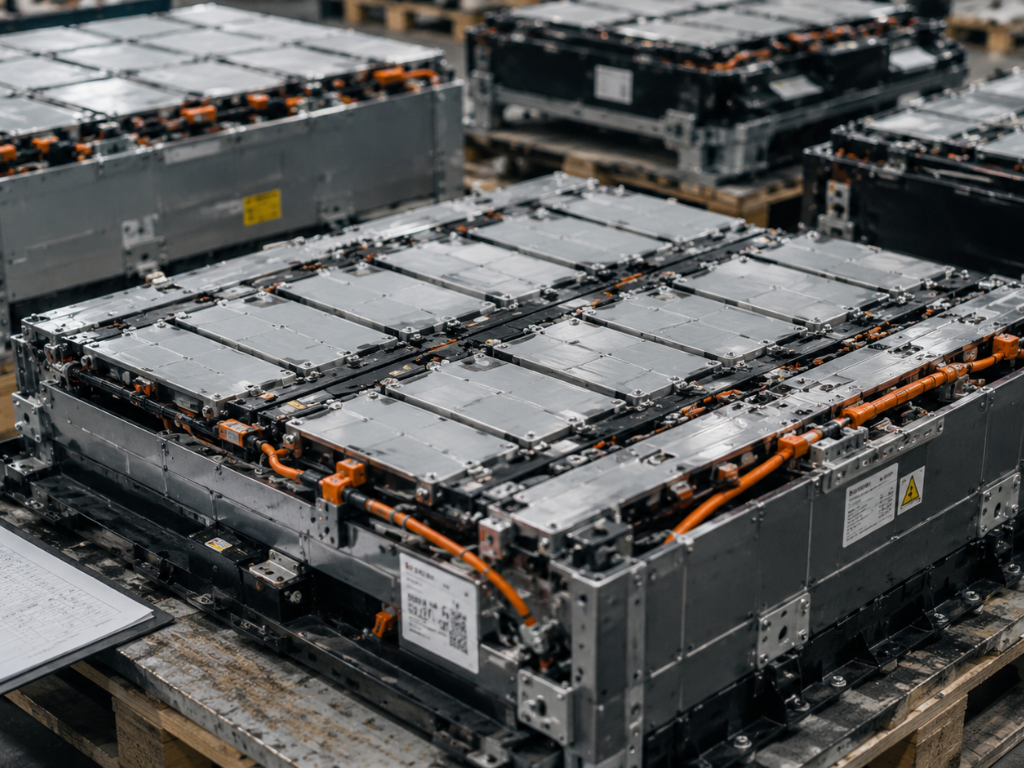
Lithium-ion batteries
They are the most critical component. These batteries contain materials such as lithium, cobalt, nickel, manganese and other metals with high pollution potential. Handling this material is classified as hazardous waste: it requires authorized facilities, specific documentation, and ADR-compliant transportation. Sircat manages them in full compliance with legal requirements, from collection through transport to the final treatment facility.
Fluids and Liquids
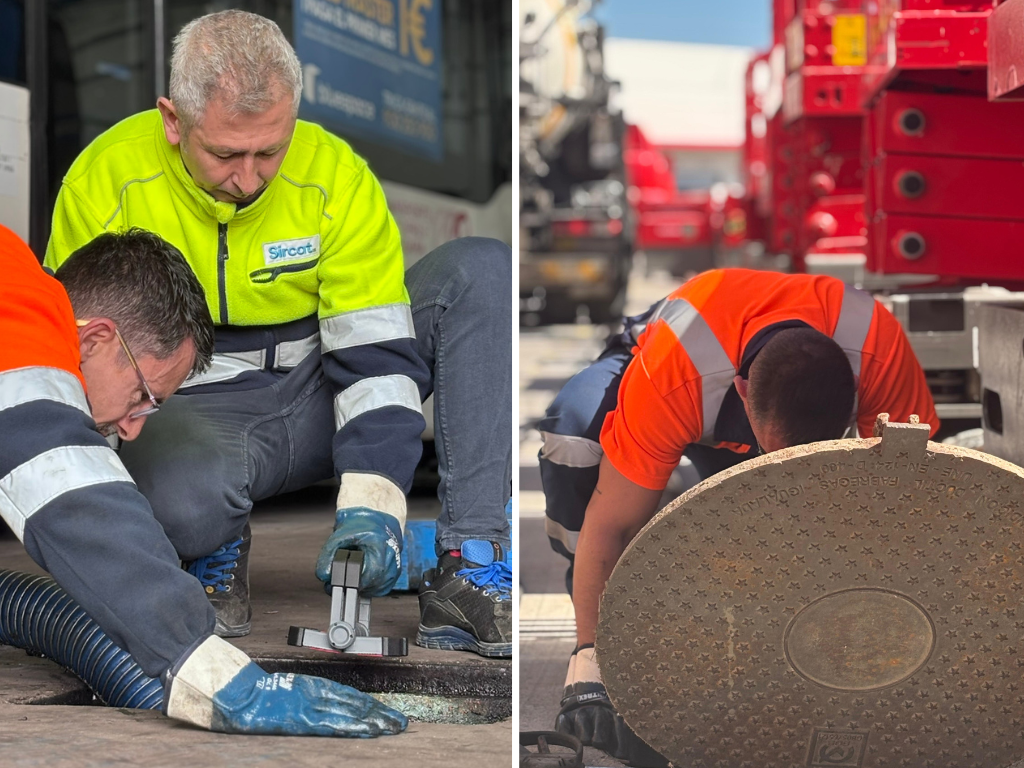
Electric cars do not use motor oil, but they do contain brake fluid, coolant, and other fluids that must be drained before any disassembly. Sircat offers a comprehensive hazardous waste management service that ensures this phase is carried out with complete safety and in full compliance with regulations.
Electronics and WEEE
Energy management systems, power electronics, and other electric vehicle components are classified as Waste Electrical and Electronic Equipment (WEEE). Sircat offers a WEEE management service that ensures their proper separation, traceability, and recovery in accordance with current regulations.
Metals: copper, aluminum, and steel
Electric vehicle motors contain a significantly higher concentration of metals than a conventional internal combustion engine. Sircat offers a metal recovery service that maximizes the return of these materials to the production cycle, in line with the principles of the circular economy.
Common vehicle waste
Aside from the specific components of the electric powertrain, an end-of-life vehicle also generates waste common to any car. Sheet metal, glass, plastics from bumpers and interior panels, tires, upholstery fabrics, and sound-deadening materials are just a few examples. The volume of this waste is significant: an average passenger car can generate several hundred kilograms of these materials by the end of its useful life.
Although most of them are not classified as hazardous, they require proper, documented, and traceable management. Sircat integrates them into its comprehensive waste management service, ensuring that no waste stream is left unmanaged and that the entire vehicle is managed in full compliance with legal and environmental requirements.
How to dispose of an electric car at the end of its lifespan
When it is no longer possible to reuse the components, the vehicle must be delivered to an authorized disposal operator. Sircat offers a service for the collection and management of end-of-life vehicles, covering the entire end-to-end process. European regulations (Regulation (EU) 2023/1542) set mandatory recovery targets: up to 80% of lithium and 95% of cobalt, nickel, and copper by 2031. Working with a specialized management company ensures compliance with these standards starting today.
Why wour company needs a specialized accountant
Managing electric vehicle waste also requires staying abreast of constantly evolving regulations and coordinating multiple waste streams simultaneously.
All of this with a single-provider model: centralizing all environmental needs at Sircat reduces the administrative burden, eliminates coordination errors, and frees companies from activities unrelated to their core business. The online Client Area offers complete, real-time traceability of all management activities.
We have been managing the most complex types of waste in the industrial and automotive sectors for years. Batteries, fluids, engines, WEEE, metals, end-of-life vehicles: we have the resources, permits, and expertise to manage all electric vehicle waste with full legal and environmental compliance, operating from Catalonia and serving all of Spain.