In today’s economy, marked by raw material scarcity, volatile energy costs and regulatory pressure, companies working with metals face a clear challenge: to remain competitive while reducing their environmental impact. Every production scrap, every piece of scrap and every piece of end-of-life equipment is no longer “just waste” but a valuable resource. For this reason, metal recycling is not only a matter of legal compliance, but a strategic lever. In Spain, metal recycling is mainly regulated through Law 7/2022, on waste and contaminated soils for a circular economy, which establishes the basic framework for waste management.
What is metal recycling?
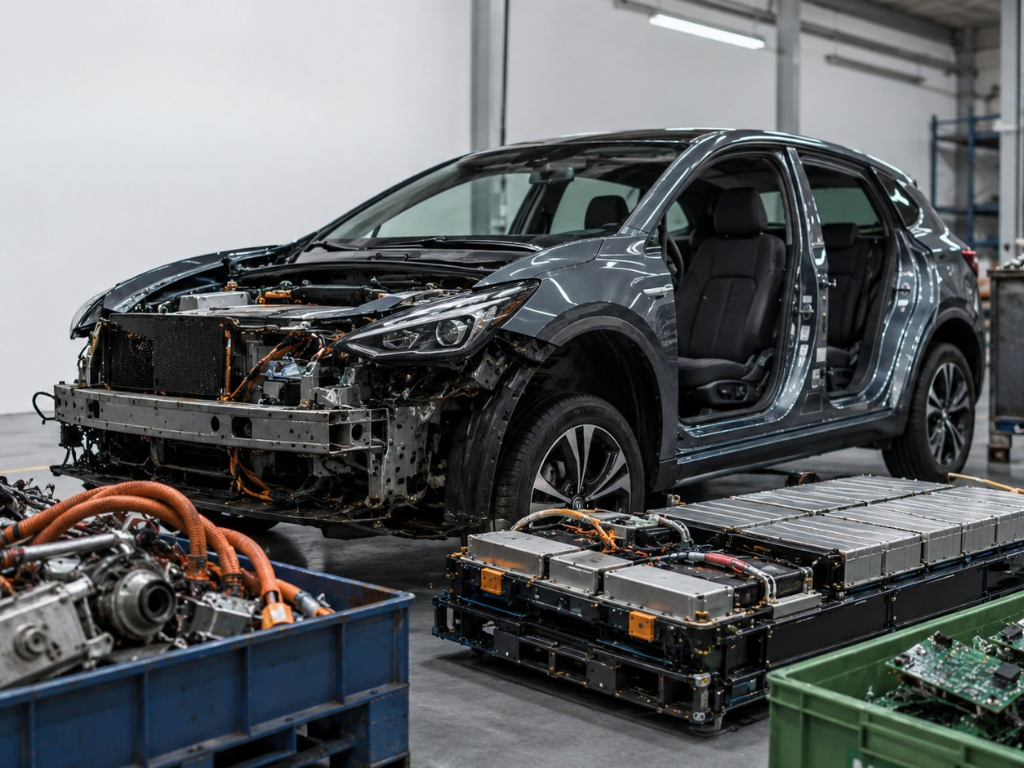
Metal recycling is the process by which metal waste is collected, sorted, treated and transformed to be reused as raw material in new products. It is part of integrated waste management and is applied to manufacturing leftovers as well as to machinery, structures or electrical and electronic equipment at the end of their useful life.
Unlike other materials, many metals can be recycled repeatedly without losing their properties, making metal recycling a very effective tool for reducing the extraction of natural resources.
Types of metals most commonly recycled
In everyday industrial life, the most common metallic wastes are:
- Steel and iron, present in structures, machined parts, industrial packaging and scrap in general.
- Aluminum, widely used in profiles, housings, automotive components and construction elements.
- Copper, essential in cables, electrical panels, motors and air conditioning systems.
- Other metals such as lead, tin or precious metals, which occur mainly in electronic components, batteries and computer equipment.
How is the metal recycling process
Although it may vary depending on the type of waste, the metal recycling process usually follows several stages:
| Stage | Description |
| Collection and storage | Waste is stored securely and removed periodically in suitable containers. |
| Sorting and separation | In the treatment plant, ferrous metals are separated from non-ferrous metals and unwanted materials are removed. |
| Preparation and processing | Metals are cut, crushed or pressed to suit the needs of foundries and other industrial consumers. |
| Valorization and new useful life | The recycled material is incorporated back into the industry as a secondary raw material, reducing the demand for virgin metal. |
Benefits of metal recycling for your company
Implementing a good metal recycling system has clear advantages:
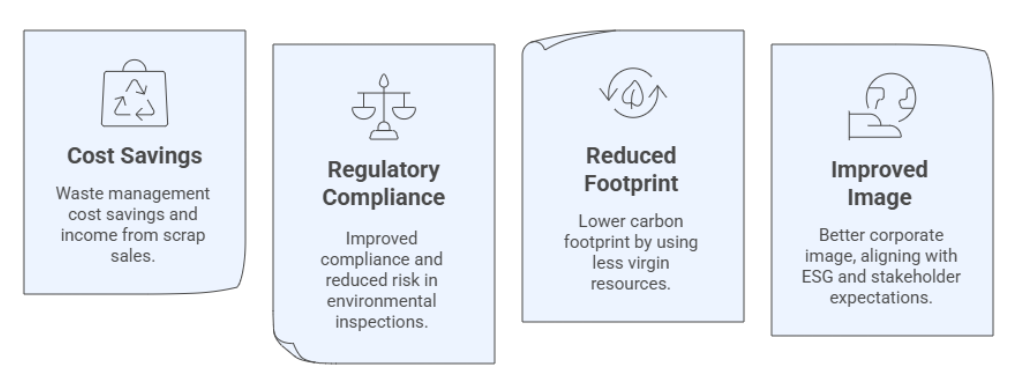
- Cost savings in waste management and the possibility of income from the sale of recoverable scrap.
- Improved regulatory compliance and risk reduction in environmental inspections.
- Reduced carbon footprint by reducing the use of virgin resources and the energy associated with their extraction.
- Improved corporate image, aligning the company with ESG criteria and customer and investor expectations.
How you can contribute to metal recycling
Your company has a key role to play in metal recycling even if it is not in the environmental sector. Some very direct actions are:
- Implement internal procedures for separating metal waste by type (steel, aluminum, copper, etc.).
- Train production and maintenance personnel to identify and correctly dispose of waste.
- Provide specific areas and containers for metals, clearly marked.
- Collaborate with an authorized manager to ensure metal recycling and document traceability.
These measures improve order in the plant, reduce environmental incidents and ensure that the metals reach the treatment plants in good condition.
Metal recycling has become a strategic ally for any company that wants to be more efficient, competitive and sustainable. Managing metal waste well not only reduces environmental impact and facilitates regulatory compliance; it also allows you to optimize costs, free up space, organize internal processes and transform waste into a source of value. Having a specialized partner like Sircat makes all the difference: it helps you to design a management system adapted to your reality, to maximize metal recovery and to advance, step by step, towards a circular economy model that brings clear benefits to both your business and the environment.