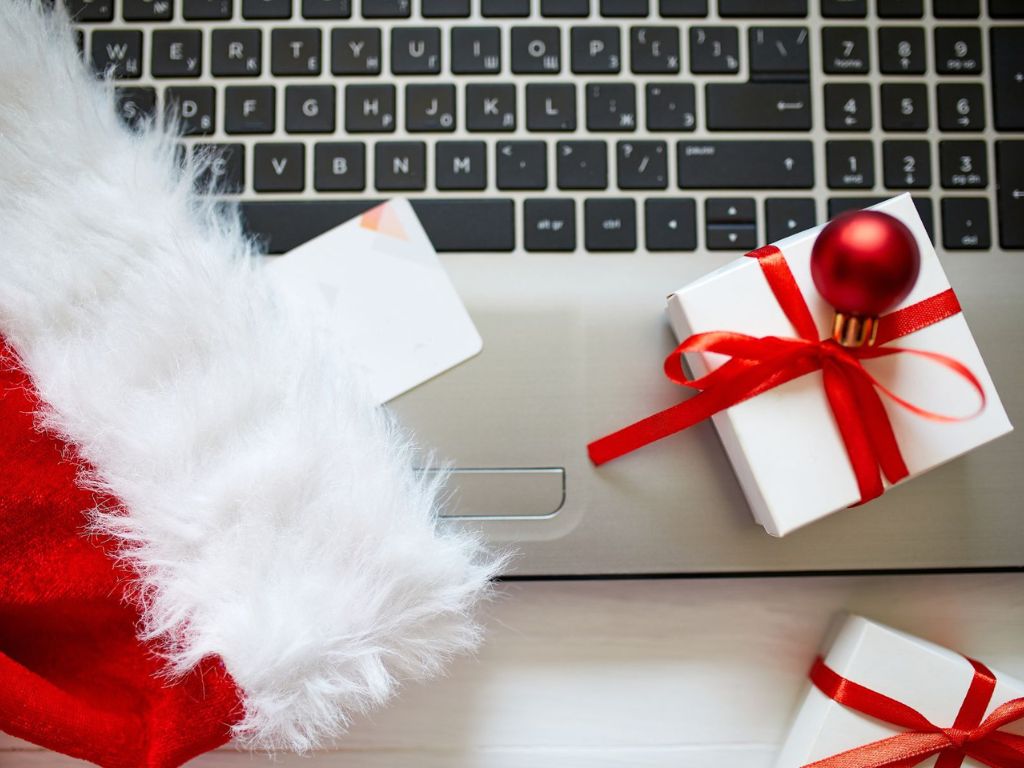
Christmas is a magical time of celebration, gifts and family gatherings. However, it also represents one of the periods of the year with the greatest environmental impact, especially due to the increase in the generation of waste electronic equipment (WEEE). This article will help you understand what WEEEs are, which are the most common at this time, and how to minimize their impact on the environment, thus promoting a more sustainable Christmas.
What is waste electronic equipment or WEEE?
Waste electronic equipment or WEEEs are all those electrical and electronic devices that, at the end of their useful life, become waste. According to Royal Decree 110/2015, these devices include any device that in order to function properly requires electric current or electromagnetic fields, as well as their components, subassemblies and consumables.
WEEE includes a wide range of products such as cell phones, computers, large and small household appliances, electronic toys, lights and much more. This waste is particularly sensitive because it contains valuable materials that can be recycled, but also hazardous substances such as mercury and lead, which require specific WEEE treatment to avoid environmental contamination.
Despite its importance, many people are unaware that this waste must be properly managed. Law 22/2011 of July 28, which regulates waste in Spain, establishes that WEEE must be collected and treated separately to ensure its correct reuse or recycling, thus reducing its environmental impact.
What are the most common electronic waste at Christmas?
During the Christmas holidays, the consumption of electrical and electronic devices shoots up. Whether it is the purchase of technological gifts, the renewal of devices or the use of specific products for decoration, this time of year generates a large amount of WEEEs. Some of the most common include:
Cell phones and tablets
Christmas is the perfect time to renew electronic devices, especially cell phones and tablets, thanks to brand promotions and the enthusiasm for giving the latest technology as gifts. This leaves many old devices in disuse, quickly becoming WEEEs.
Electronic toys
Toys that run on batteries or require electrical current are becoming increasingly popular. However, their lifespan is often short, as children quickly lose interest or the devices wear out.
3. Small appliances
Gifts such as coffee makers, mixers, toasters or vacuum cleaners are common at this time of year, and often involve the replacement of appliances that could still be functional.
4. Christmas lights
Decorative lights are also part of the most frequent waste, especially when they break or are replaced by more modern versions such as LED lights.

5. Domestic photovoltaic panels
Although less common, some households looking for a sustainable alternative decide to install or renovate photovoltaic panel systems, generating a specific type of waste that also needs to be properly managed.
Environmental impact of electronic waste at Christmas time
The accumulation of waste electrical and electronic equipment (WEEE) during the holiday season has serious consequences for the environment if not properly managed. This type of waste contains both recyclable materials and harmful substances that require specialized handling.
Soil and water contamination
WEEE contains hazardous substances, such as lead or mercury, which can leach into the soil and water if the waste is not properly treated. This contamination affects biodiversity and puts people’s health at risk.
2. Loss of valuable resources
Many of the materials and components of electronic devices, such as copper, aluminum and plastic, can be recycled into new products. However, if these wastes are not properly managed, valuable resources that could help reduce the need for raw material extraction are lost.
3. Greenhouse gas emissions
The improper production and disposal of electronic equipment generates CO₂ emissions, contributing to climate change. Therefore, recycling and selective treatment of materials are essential to minimize the environmental impact of this type of waste.
4. Increase in accumulated waste
The increase in consumption during the Christmas season generates tons of WEEE that, if not collected and treated properly, end up in illegal landfills or accumulated at home, taking up space and making future recycling difficult.
How to avoid electronic waste at Christmas
Although Christmas is a time of increased consumption, it is possible to reduce electrical and electronic waste with small actions that make a big difference:
- Repair before replacing: Before discarding a device, check if it can be repaired. Many times, a simple repair will extend the life of the device.
- Donate functional devices: If you no longer need a device, but it still works, consider donating it to someone who can use it.
- Buy quality, long-lasting products: Opt for devices that are designed to last and are repairable. Avoid consuming disposable or low-quality products.
- Choose responsible brands: Some companies offer recycling programs or guarantee a more sustainable design of their products.
- Recycle correctly: Take WEEEs to clean points or authorized collection centers that ensure the specific treatment of WEEE and the recycling of its materials and components.
Christmas does not have to be associated with increased waste and environmental impact. With small decisions, such as donating, repairing or recycling properly, we can reduce electronic waste and contribute to a more conscious consumption.
At Sircat, we work to promote the responsible management of this type of waste, ensuring compliance with Royal Decree 110/2015 and supporting the selective treatment of materials. Together, we can transform Christmas into an opportunity to take care of the planet.