A hydrocarbon separator is an equipment designed to prevent oils, fuels and other pollutant residues from reaching the sewage system. It is used in many professional environments, such as workshops, car washes, dealerships, companies with truck fleets, machinery washing areas and service stations.
But installing this equipment is not enough. For it to work properly and fulfill its function, periodic maintenance is essential. If it is not cleaned in time, it can lose efficiency, cause problems in the installation and even lead to penalties for environmental non-compliance.
Why is good maintenance so important?
With daily use, the separator accumulates residues in its interior. Oils and hydrocarbons remain in the upper part, and sludge and dirt are deposited at the bottom. When this accumulation exceeds certain levels, the equipment stops separating the waste and as a consequence the buoy acts by closing the separator outlet, disabling its use and causing the activity to stop. All separators have this system to avoid spills and a good maintenance, cleaning and periodic revisions are essential to extend its useful life and ensure its correct operation.
Proper maintenance helps:
- Avoidance of polluting discharges.
- Prevent clogging and bad odors.
- Extend the useful life of the equipment.
- Maintain the installation in good condition.
- Comply with environmental regulations.
Therefore, it is not just a cleaning task. It is a basic measure to work safely and avoid legal and operational problems.
How is the maintenance of a hydrocarbon separator performed?
The cleaning of a hydrocarbon separator must be carried out by an authorized company, as the extracted waste is considered hazardous and cannot be managed as normal waste.
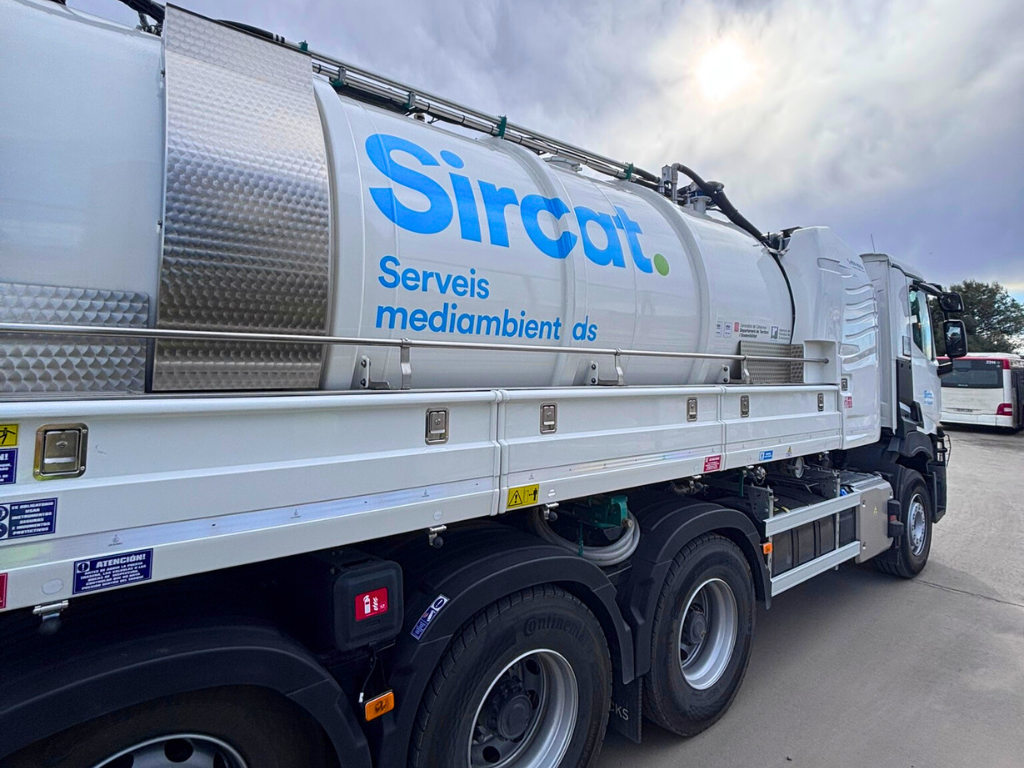
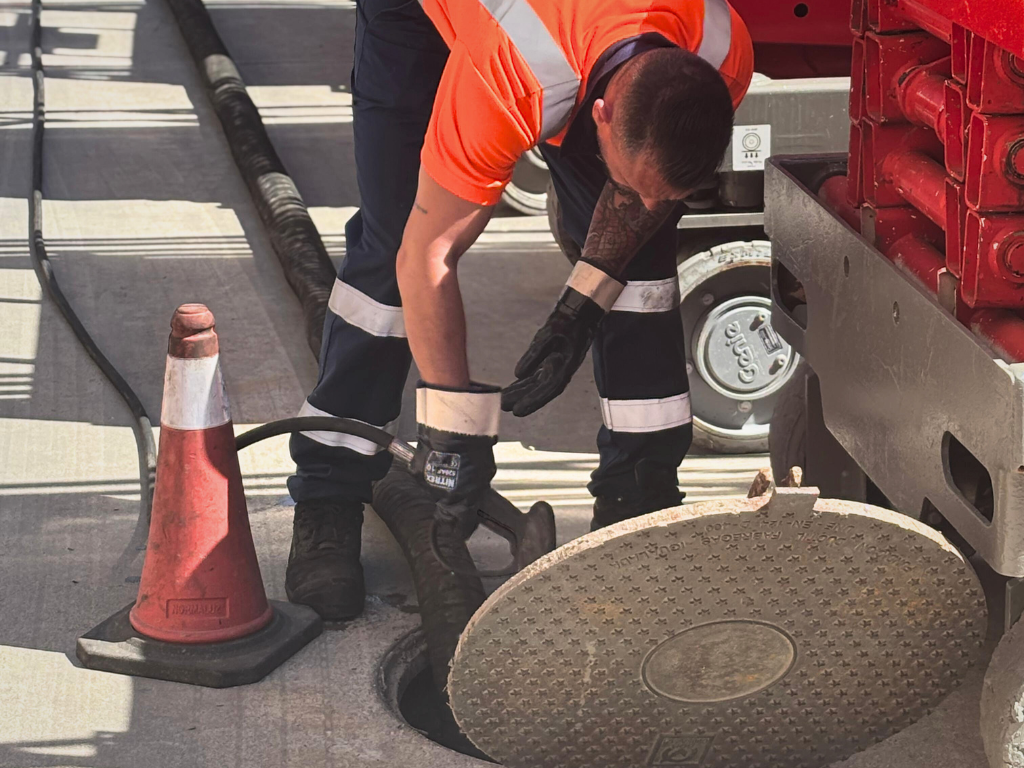
1. Extraction of oils, sludge and residues: The first step is to empty the separator with a tank truck or tanker. With this equipment, the oils and hydrocarbons accumulated in the upper part are sucked out, as well as the sludge that has been deposited at the bottom.
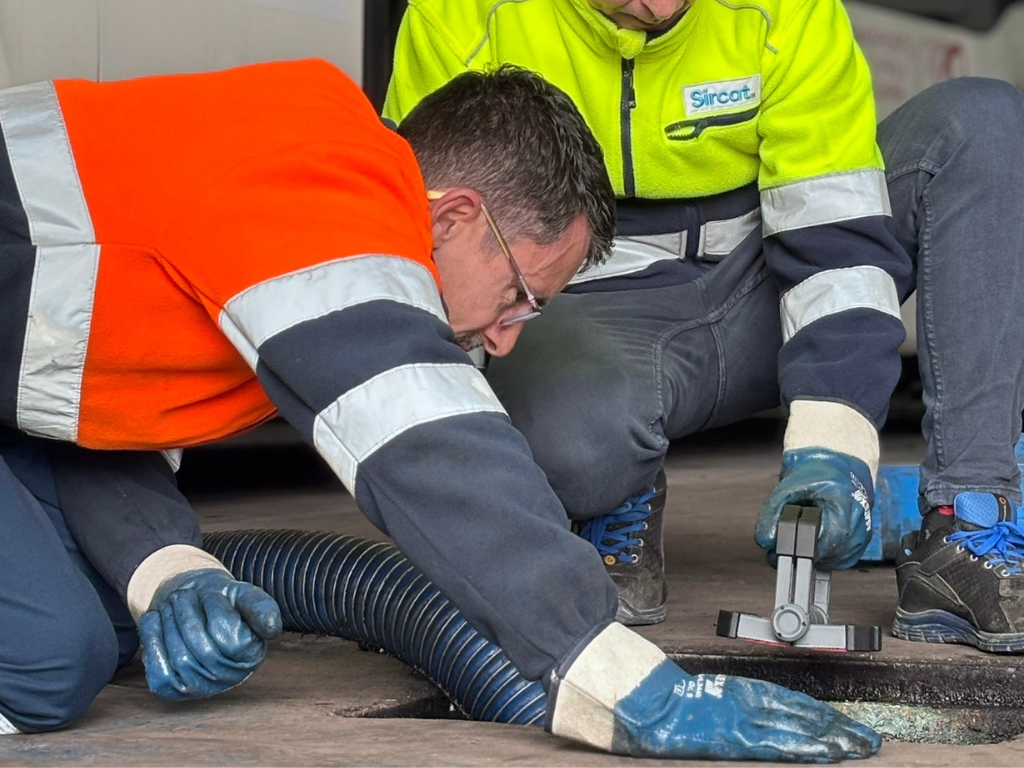
2. Cleaning of filters and internal components: After emptying, the internal elements of the system are cleaned, such as the coalescing filters and their connections. This cleaning is done with pressurized water to remove adhered debris and recover the proper functioning of the equipment.
3. Washing the inside of the tank: The walls and bottom of the tank or decanter are also washed. This removes any residues that may have stuck to the inside and prevents the separator from losing efficiency shortly after cleaning.
4. Safety valve check: Another important step is to check that the safety valve, or automatic shutter, is working properly. This part helps prevent accidental spills by plugging the separator outlet when the equipment reaches a critical level of waste.
5. Refilling with clean water: Once cleaning has been completed, the separator must be refilled with clean water before being used again. This step is essential for the system to work properly from the first time.
How often should it be cleaned?
The general recommendation is to perform maintenance at least every 6 months. It should also be performed earlier if the volume of accumulated hydrocarbons reaches 25% of the separator’ s storage capacity. In addition, there are signs that cleaning cannot wait:
- Water drains more slowly than usual.
- The level alarm is activated (if the equipment has one).
- Bad odors appear.
- Oil residues are observed at the outlet of the system.
In facilities with heavy use, such as laundries, workshops, transport fleets or service stations, it is important to carry out a more frequent control to avoid incidents.
Regulations and waste management
The maintenance of this type of equipment is also related to legal compliance. In this area, the standards UNE-EN 858-1 y UNE-EN 858-2 serve as a reference for the design, use and maintenance of hydrocarbon separators. In addition, the waste extracted during cleaning is considered hazardous waste. This means that they must be removed and managed by anauthorized manager.
Once the service has been performed, it is important to have the corresponding waste management certificate, as this document may be required in an environmental inspection or review.
What can happen if maintenance is not performed on time?
Failure to clean a hydrocarbon separator at the proper time can lead to a number of problems, both technical and legal.
The most common are:
- Contamination of the sewage system.
- Risk of environmental sanctions.
- Loss of equipment efficiency.
- Breakdowns or blockages in the installation.
- Bad odors and operational problems.
- Higher costs for incidents or repairs.
Proper maintenance of the hydrocarbon separator is key to avoid spills, breakdowns and environmental sanctions. In addition to extending the useful life of the equipment, it allows the installation to operate safely and efficiently. Cleaning at the right frequency and with an authorized manager also ensures proper waste management.