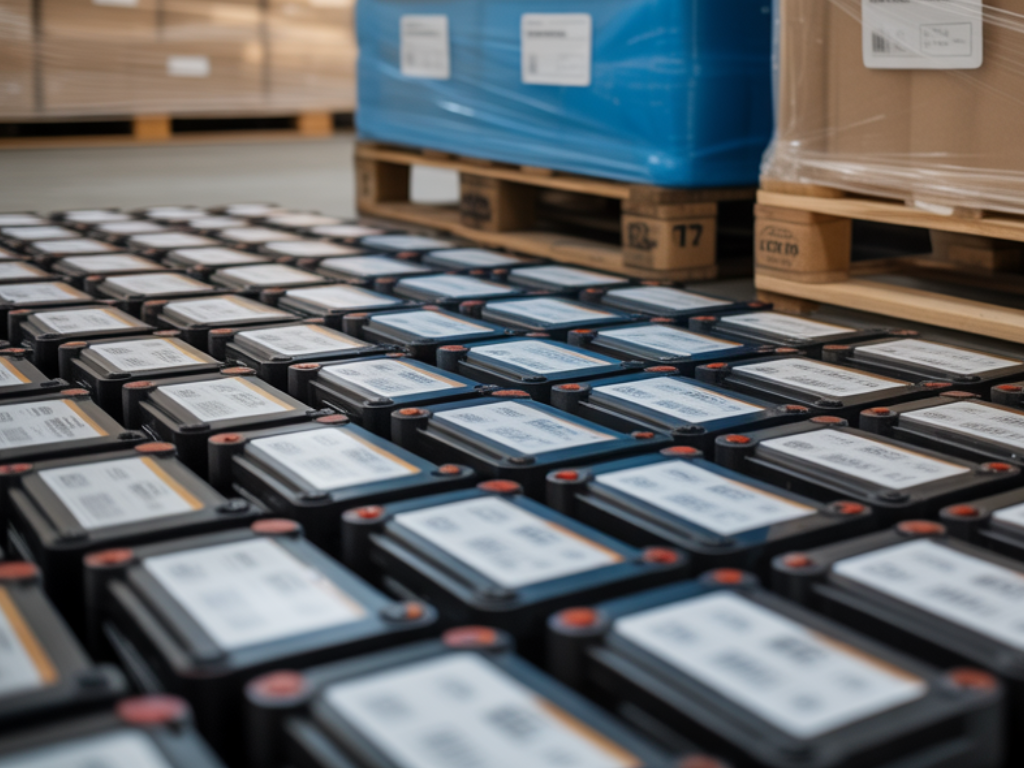
Recycling lead batteries correctly avoids health and environmental risks and allows the recovery of valuable materials for reuse in industry.
Lead-acid batteries are present in cars, motorcycles, back-up systems (UPS), machinery and other equipment. When they reach the end of their useful life, they cannot be treated like any other waste: they contain usable components, but also hazardous substances. Therefore, proper recycling of lead batteries is essential to protect the environment and ensure safe management.
Why it is important to recycle lead batteries
A used battery can cause problems if it is broken, overturned or stored uncontrolled. The risk is not only the metal: it is also the lead and acid, which can affect soil and water if not properly managed. In addition, when the recycling loop works well, it reduces the extraction of new raw materials and encourages more efficient use of resources.
What is recovered from a lead acid battery
Although it depends on the type of battery, three major fractions can usually be recovered:
- Lead: Recovered and refined for reuse in industry.
- Plastics: The casing and some components can be recycled.
- Electrolyte: Usually contains sulfuric acid, which requires specific treatment to be neutralized or managed safely.
Overall, the recycling of lead batteries makes it possible to transform a complex waste into new useful raw materials.
How does the lead battery recycling process work?
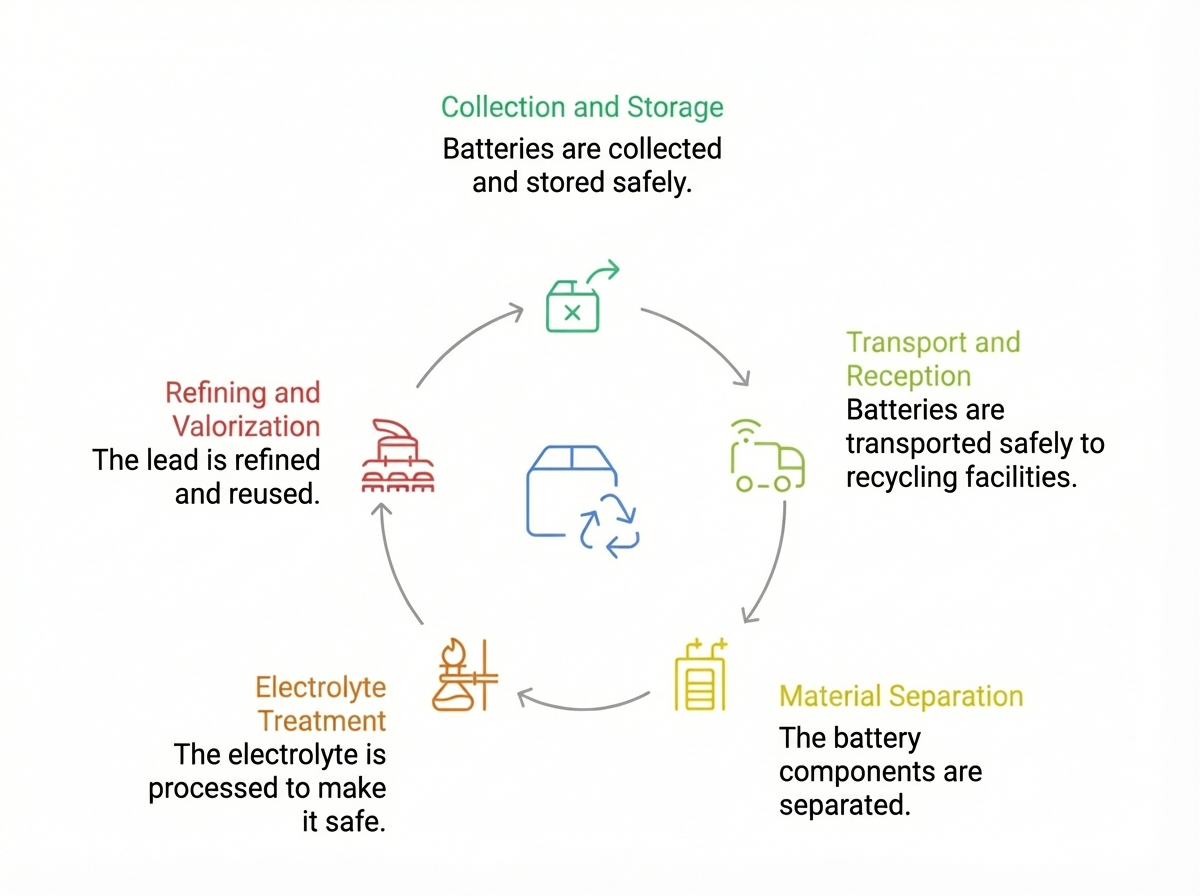
In general, the recycling process follows these steps:
- Collection and safe storage:
They are deposited in watertight containers, suitable to avoid knocks, overturning or spills. - Controlled transportation and reception:
Transportation is carried out by authorized carriers, with safety measures to minimize risks. - Separation of materials:
Plastics, fractions containing lead and electrolyte are separated to be treated by different and specific routes for these materials. - Electrolyte treatment:
The liquid is processed so that it is no longer hazardous and can be properly managed. - Refining and recovery:
Recovered lead can be reintroduced into the industrial chain, including for the manufacture of new batteries.
Where to take them: common options
To manage them correctly, the important thing is to use appropriate delivery points:
- Workshops and points of sale: If you replace the battery, many establishments accept the used one. Make sure they will take care of it.
- Clean points or authorized managers: Usual option if you have an out-of-use battery that you are not going to replace in a store or workshop.
- Companies, workshops or fleets: If you have a large quantity of used batteries, the most efficient way is to store them safely and organize planned collections with an authorized transporter and manager, avoiding improvised accumulations.
Quick rule: Never throw them in a household container, never abandon them and never handle them.
Safety tips before delivery
Before moving or storing a used battery, follow these guidelines to reduce risks:
- Do not open or empty: Handling may cause splashing or leakage.
- Always keep it upright and avoid bumps: A fall can break the casing.
- If you suspect a leak, place it on an airtight tray or container to contain possible spills.
- Do not store indoors without ventilation or near heat sources.
- Wear gloves if dirty or debris is present: Avoid direct contact with other residues.
- Transport a single unit (or a few) securely fastened so that they do not move during transit.
In conclusion, recycling lead batteries is a simple but decisive action: it avoids risks, reduces pollution and allows the recovery of materials that can be reused in industry. The key is not to tamper with them, to store them safely and to always deliver them to authorized points. With these steps, you turn a complex waste into a real opportunity for circular economy and protection of human health and the environment.
Frequently Asked Questions (FAQ)
Can all lead batteries be recycled?
In most cases, yes. The key is to hand them over to appropriate companies for treatment.
What do I do if a battery leaks?
Avoid touching it. Secure the battery in a watertight container that contains the spill and take it to an authorized point as soon as possible.
Why is it considered a complex waste?
Because it is composed of different materials containing corrosive substances and metals that, if poorly managed, contaminate and pose a health risk.
What happens to the recovered material?
The lead can be refined and returned to the industry, and some of that material can be used to make new batteries, closing the cycle.