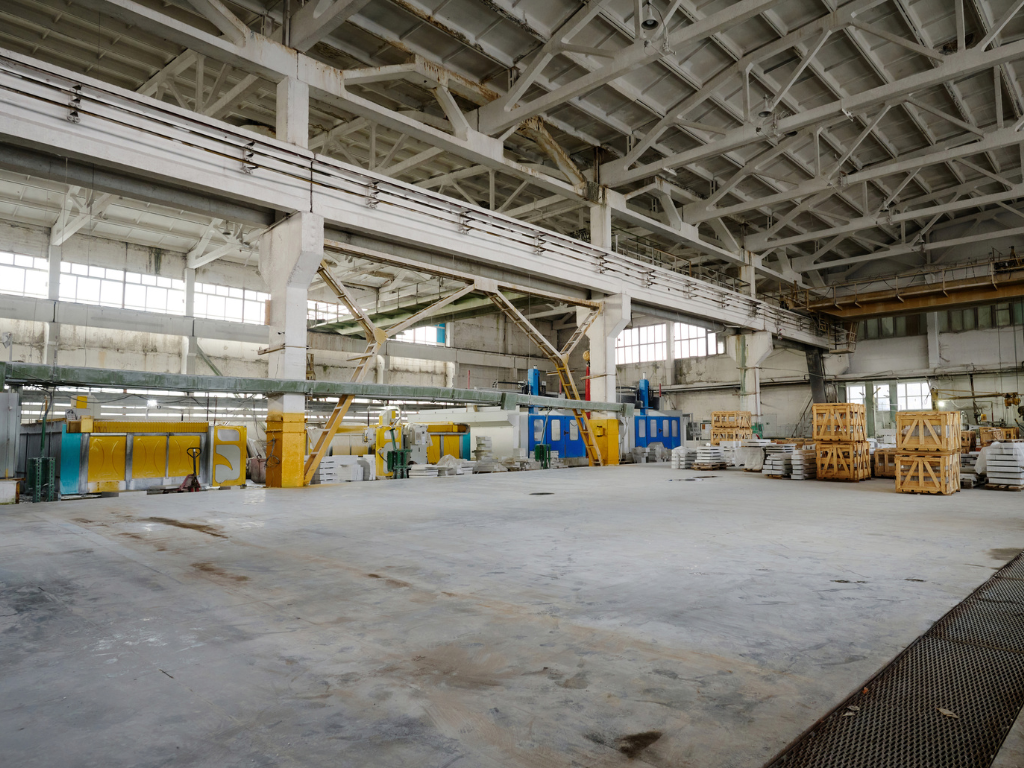
Emptying industrial buildings is a process that requires planning and compliance with regulations to guarantee efficiency and safety. From waste classification to the hiring of specialized services, every detail influences the final result.
Aspects to consider before emptying industrial buildings
Before starting warehouse emptying, it is essential to define the objectives and evaluate the space. This includes:
- Identification of areas to be emptied: Determine which areas will remain operational during the process.
- Inventory of materials and waste: Classify equipment, furniture and waste to manage their destination.
- Preparation of a schedule: Plan the phases of emptying to minimize interruptions to the company’s activity.
- Internal and external communication: Inform the team, customers and suppliers about deadlines and possible impacts.
- Hiring experts in emptying industrial buildings: Specialized companies guarantee a quick, safe process that complies with current regulations.
Furthermore, it is crucial to organize waste management from the beginning to optimize the recycling and reuse of materials.
Regulations for emptying industrial buildings
The industrial warehouse emptying service must comply with safety and environmental management regulations. The main requirements include:
- Waste regulation: Depending on the type of waste generated, specific regulations apply for its transport and disposal. One of the main regulatory frameworks in Spain is Law 7/2022, on waste and contaminated soil for a circular economy, which establishes the obligations for the correct management of waste, its classification, transport and disposal. In the case of installations with electrical and electronic equipment, it is mandatory to follow Royal Decree 110/2015 on waste from electrical and electronic equipment (WEEE), ensuring its correct removal and recycling.
- Permits and licenses Before starting the emptying, it is necessary to obtain the documentation required by the local authorities.
- Occupational safety: Adequate conditions must be guaranteed for workers involved in the process. Law 31/1995, on the Prevention of Occupational Risks, establishes the protection measures for workers involved in emptying, including the use of personal protective equipment (PPE) and risk assessment.
- Environmental impact: Comply with regulations on noise pollution, management of hazardous substances and recycling.
Failure to comply with these regulations may result in financial penalties and delays in the process.
Waste collection during the emptying of industrial buildings
One of the key points in emptying premises and warehouses is the correct management of waste. This involves:
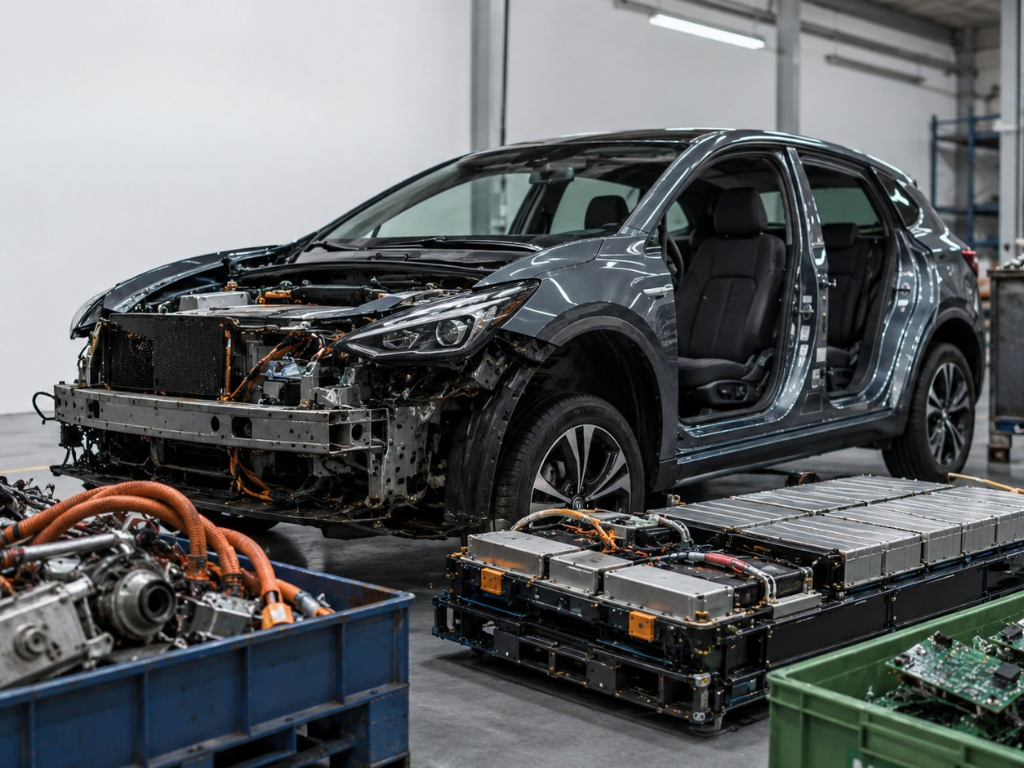
- Separation of materials: The first step in waste collection is the identification and classification of the materials present in the warehouse. It is necessary to differentiate between hazardous waste (such as industrial oils, batteries, solvents or chemical products) and non-hazardous waste (such as plastics, cardboard, wood or metal).
- Transport and reuse or safe disposal: Once classified, waste must be transported to authorized treatment centers. Reusable materials can be recovered and reintegrated into the industry, while recyclables are sent to specialized recycling plants. In the case of hazardous waste, its disposal must comply with strict protocols to avoid risks to health and the environment, following Royal Decree 833/1988, which regulates the transport and storage of this waste.
Sircat offers a comprehensive service for the collection and management of hazardous and non-hazardous waste, ensuring compliance with environmental regulations.
Why trust Sircat for emptying industrial buildings?
When it comes to emptying an industrial warehouse, having a specialized company makes the difference in terms of efficiency, safety and regulatory compliance.
At Sircat we offer the industrial dismantling and emptying service of industrial buildings to help companies manage industrial structures and elements that are no longer useful in an appropriate and responsible manner. Our commitment to sustainability and the circular economy allows us to minimize the environmental impact by guaranteeing the correct classification, transport and treatment of the removed materials. In addition, we comply with all current regulations and adapt our services to the needs of each company, providing personalized and efficient solutions.
If you are looking for a safe and professional emptying, contact us.