We live surrounded by industries which are or should be responsible for the correct management of their hazardous waste. Even so, and despite the efforts that are gradually being made, the proper management of these is a priority issue to address and solve immediately due to the large amount of toxic and hazardous substances they release, thus affecting both people and the environment.
What is hazardous waste?
The Agència de Residus de Catalunya defines the concept of hazardous waste as waste that contains some characteristic of danger or risk to human health and the environment. They also emphasize the importance of adopting prevention, collection and specific management measures for its treatment.
Classification of hazardous waste
To determine whether a waste is hazardous or not, the European Waste List (EWL), established in Commission Decision 2014/955/EU, is used. Even so, there is no established categorization as such to classify waste, but rather, depending on the regulation chosen as a reference, it is classified in one way or another. However, currently, the most common way of separating them is as follows:
Toxic waste
These contain chemicals that are toxic to humans and animals, such as pesticides, drugs or chemicals.
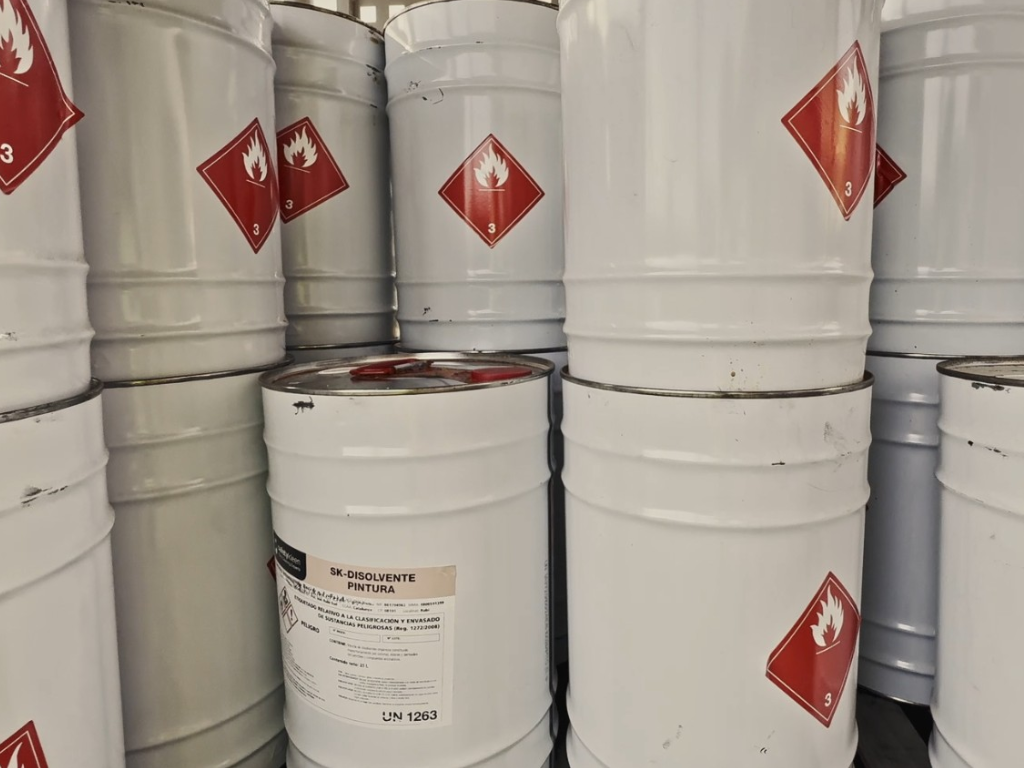
Flammable wastes
They are those residues that ignite quickly causing accidental fires. They include paints, solvents or industrial oils, among others.
Corrosive wastes
These are residues that can damage or abrade any surface with which they come into contact. These residues are usually related to acids.
Reactive wastes
These are wastes that by themselves are not hazardous, but if they come into contact with other substances they could become very reactive.
Explosive residues
Here we find waste that, if not properly managed, could explode as fuel or gunpowder.
Radioactive waste
This type of waste is characterized by the emission of radiation, as in the case of waste from hospitals, laboratories and nuclear facilities.
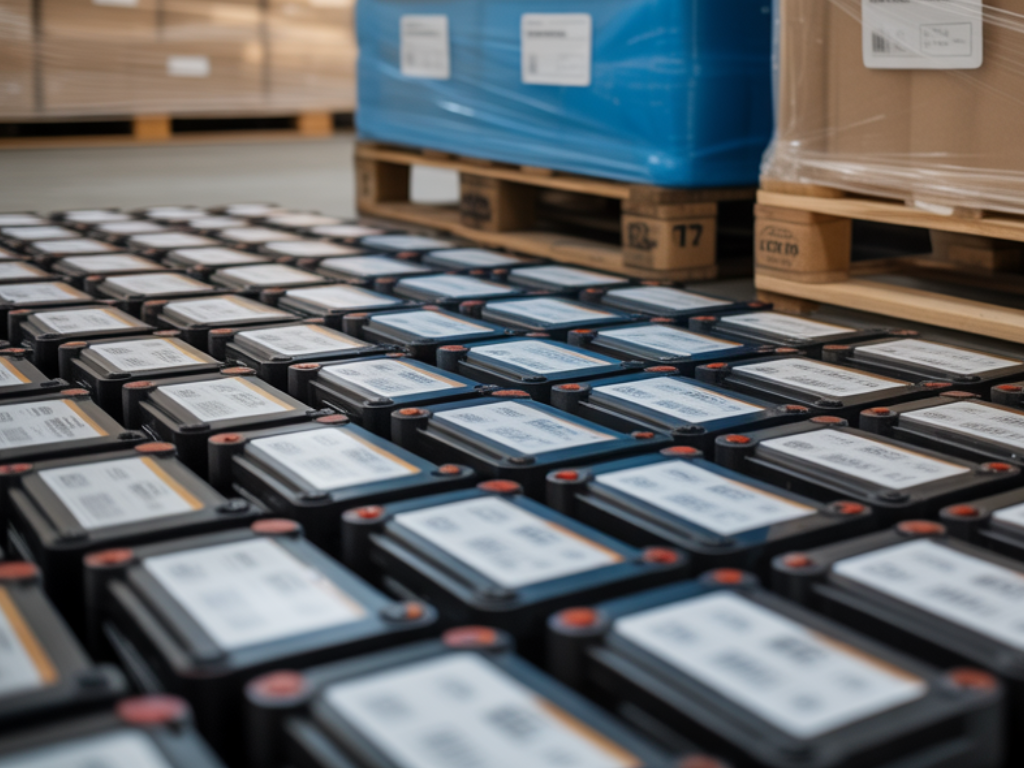
Electronic waste
E-waste contains hazardous components such as lead or mercury commonly found in cell phones, batteries and computers among many other devices.
How to manage hazardous waste
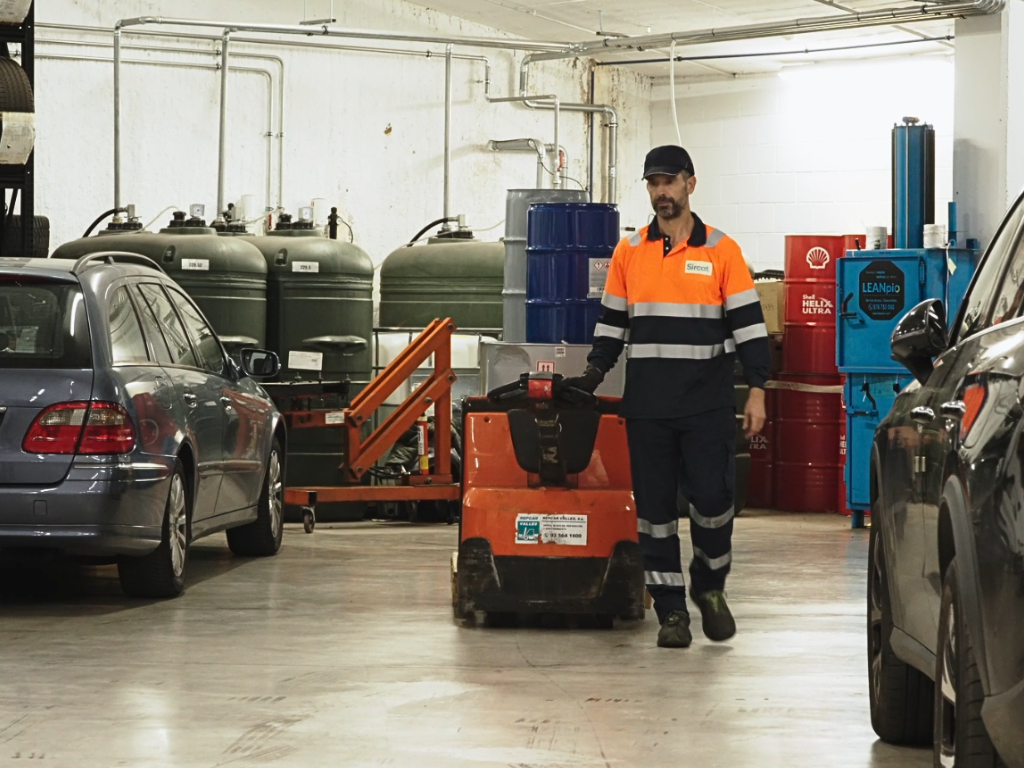
Hazardous waste management requires several important considerations. The first and most important of these is that only properly trained personnel should manage these wastes, thus ensuring proper management and compliance with safety regulations. In addition, it is important to use appropriate tools and protective equipment to secure both the user and the environment from potential hazards.
Secondly, the storage and handling of this waste must be carried out under appropriate hygiene and safety conditions, for a maximum of six months and without mixing it with other waste. Both small and large waste producers must use certified containers and correctly label the waste to ensure the safety of personnel and their environment.
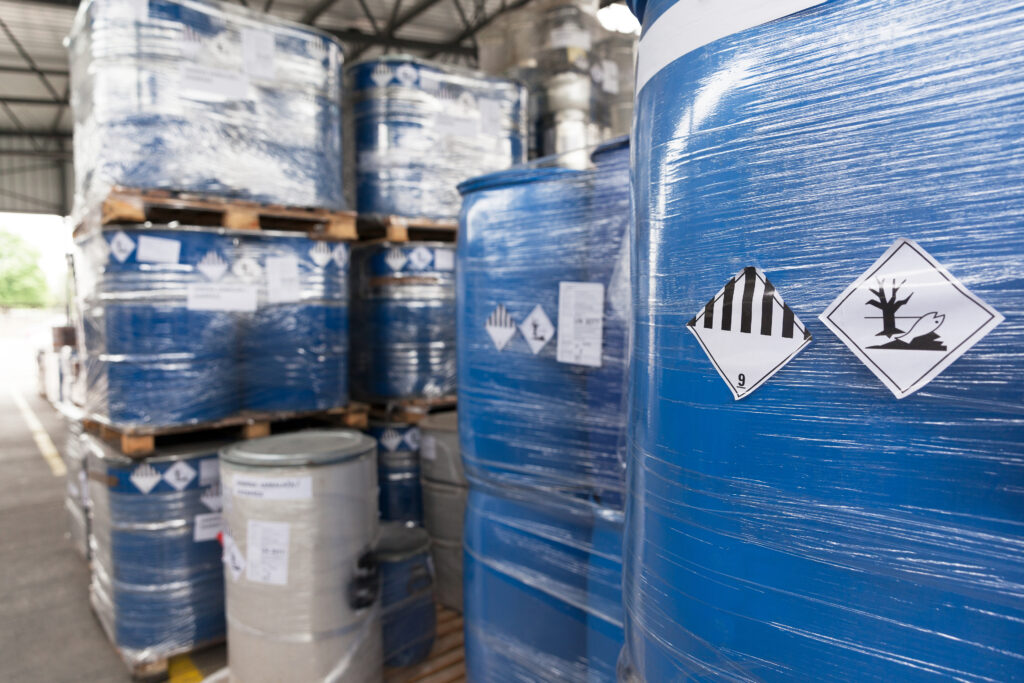
In addition, large hazardous waste producers, those who generate at least 10 tons per year, are required by law to have a waste minimization plan, which must be available to the competent authorities and be included in the annual report of hazardous waste producers. This report is a detailed report documenting the practices adopted to reduce the quantity and hazardousness of the waste generated, as well as the results obtained, and must be submitted by hazardous waste producers, hazardous waste agents, hazardous waste dealers and hazardous waste transporters. The annual report is approved in the state waste law (Law 7/2022, of April 8, on waste and contaminated soils for a circular economy) in force since 2022.
The next step is the collection of hazardous waste and its proper transportation. This must always be done under controlled conditions and with the proper equipment to avoid any incident. Hazardous waste must be transported in specialized vehicles and with the necessary documentation detailing the type of waste, its quantity, origin and final destination.

Once transported, the waste arrives at the facilities of waste managers, who must be adequately trained to handle it. The handling of hazardous waste by these managers must follow specific protocols adapted to each type of waste, ensuring that it is handled in accordance with mandatory safety standards. The most important part of this management is the recycling and circularity of raw materials. Hazardous waste can be recycled to obtain raw materials that can be reintegrated into other production processes or valorized energetically, thus promoting a circular economy model. This approach not only reduces the amount of waste requiring final treatment, but also conserves natural resources and reduces environmental impact.
Subsequently, hazardous waste that cannot be recycled undergoes specific treatments according to its characteristics, such as inertization processes that seek to reduce the toxicity and hazardousness of the waste. Finally, when it is not possible to recycle or recover the waste, it is disposed of. Treated hazardous waste is incinerated or sent to specialized landfills.
At Sircat we are specialists in hazardous waste management. Based on an exhaustive process of hazardous waste analysis, we classify and manage waste in the most efficient and sustainable way possible.