Correct waste management is key to minimizing the environmental impact and promoting the circular economy. In this process, the role of the waste manager is fundamental, since he is responsible for handling waste safely and efficiently. But what functions exactly does it fulfill and why is it so important to have an authorized waste manager?
What is a waste manager?
It is a natural or legal person, public or private, who is authorized to carry out waste management, whether its collection, transport, storage, recovery or disposal. Its function is essential to reduce the environmental impact and guarantee compliance with current regulations.
Comprehensive waste management covers all the operations necessary to manage waste efficiently and sustainably. This includes the classification of waste, its treatment in specialized waste management facilities and the optimization of resources to promote the circular economy.
Waste managers can act in different industrial sectors, ensuring that recoverable materials are recycled and hazardous waste is treated safely. Its role is key in sustainability, helping to minimize pollution and promoting responsible practices in companies and public administrations.
Obligations and responsibilities of waste managers
Waste managers must be registered in the General Registry of Waste Managers of Catalonia, guarantee the correct treatment and valorization according to the regulations, keep a record of entries and exits, present the Annual Declaration of Industrial Waste (if relevant in the autonomous community in which it is located), manage their own waste with authorized companies and inform the Waste Agency of Catalonia about incidences and required data.
What does it mean to be an authorized waste manager
To operate legally, you must have a specific authorization that guarantees your capacity to treat waste safely and in accordance with current legislation. An authorized waste manager must comply with a series of requirements established in Law 7/2022, Contaminated Waste and Soils for a Circular Economy.
There are different types of authorized managers:
- Companies specialized in the transport of waste.
- Recycling plants that take care of the treatment and valorization.
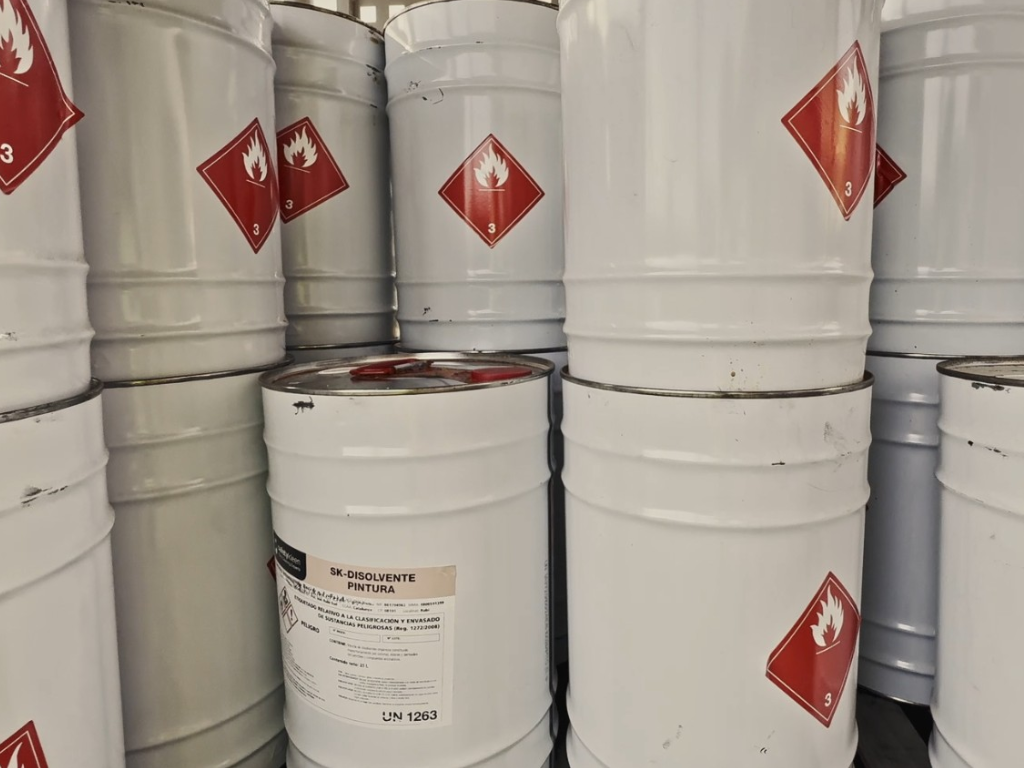
- Installations for the safe disposal of hazardous waste.
- Extended Producer Responsibility Systems (SCRAP), which finance and organize waste management.
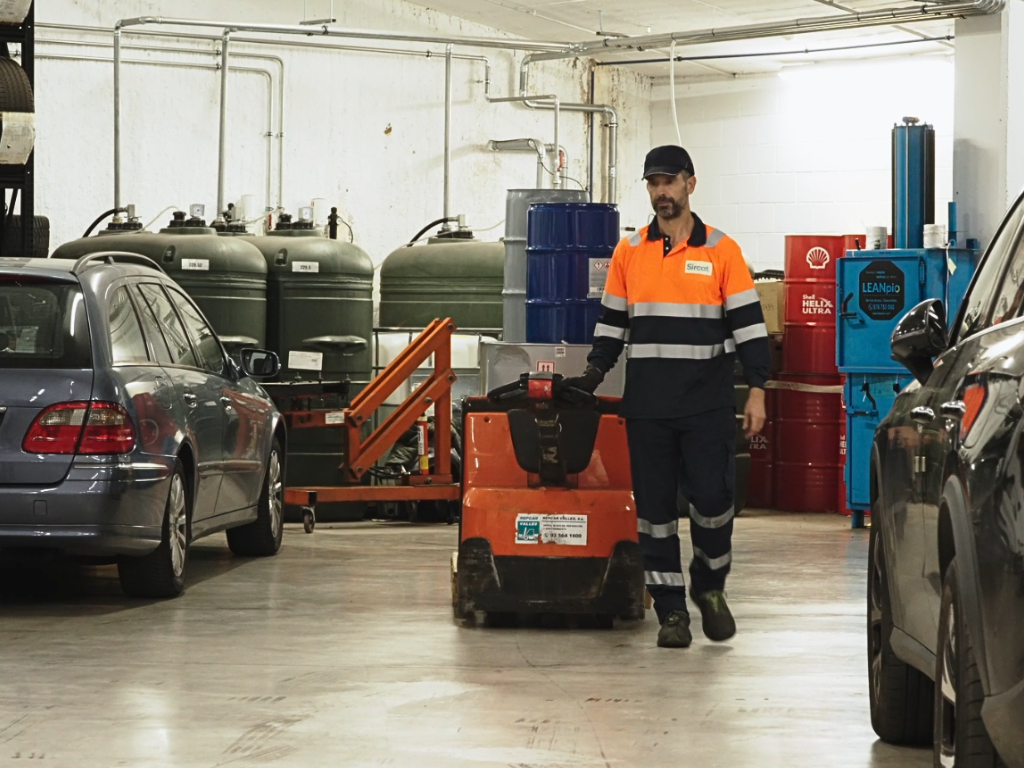
All of them have the responsibility to document and accredit the correct treatment of waste, guaranteeing its traceability from its origin to its final destination. In addition, they must comply with strict security measures for the storage, handling and transport of waste, especially in the case of hazardous waste.

The importance of a waste manager
It is fundamental in the preservation of the environment and in reducing the impact of human activity on ecosystems. Among its main benefits stand out:
Protection of the environment and public health
Inadequate waste management can cause soil, water and air pollution, affecting people’s health and biodiversity. A waste manager guarantees that waste is treated safely, avoiding health risks and reducing the ecological footprint.
Compliance with legal regulations
Companies are obliged to manage their waste according to current regulations. Having an authorized waste manager allows them to comply with the law and avoid penalties, ensuring that the management is carried out correctly and with the appropriate documentation.
Promotion of the circular economy
Comprehensive waste management is not only focused on the elimination of waste, but also on the valorization and reuse of materials. This allows to reduce the exploitation of natural resources and promotes the circular economy, a key model for sustainability.
Cost reduction for companies
Optimizing waste management helps reduce operating costs. Segregation at source, recycling and the use of materials reduce transport and treatment costs, generating economic benefits for companies.
Guarantee of traceability and security
They carry out a rigorous documentary control that allows the route of the waste to be traced from its generation to its final destination. This ensures that waste is treated safely and in accordance with regulations, minimizing environmental and legal risks.
Specialization and efficiency
Waste management requires technical knowledge and specialized equipment. An authorized waste manager has the necessary training and resources to handle different types of waste efficiently, guaranteeing its proper treatment and reducing its environmental impact.
The role of the waste manager is essential to guarantee correct comprehensive waste management, minimizing the environmental impact and ensuring compliance with current regulations. Thanks to their work, resources are optimized, costs are reduced and recycling is encouraged, contributing to a more sustainable circular economy model.
Sircat is an authorized waste manager that guarantees the proper treatment of waste as well as helping companies comply with their legal obligations to avoid penalties. Contact us if you want to handle your waste safely and efficiently.