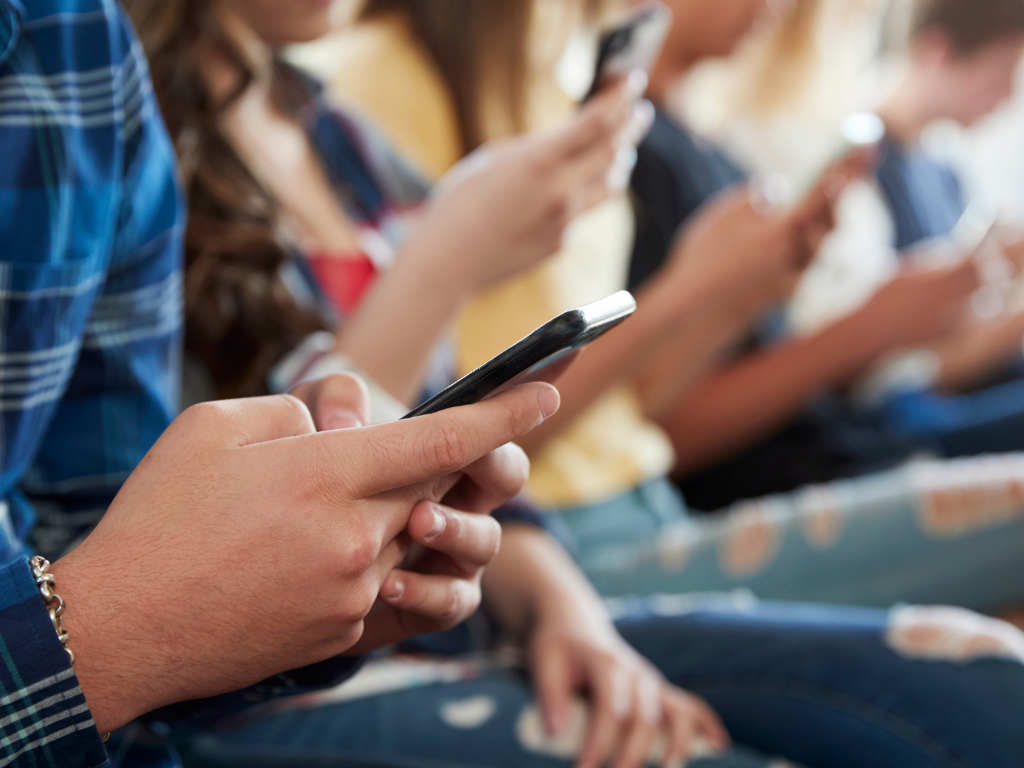
We live in an ever-evolving digital world that has transformed the way we work, learn and interact. Digital devices are present in every aspect of our daily lives, but their impact depends on how we use them. The real challenge is no longer just to have access to technology, but to learn how to use technology responsibly, safely and consciously.
The digital world and its risks: Why do we need conscious habits?
Talking about the responsible use of technology means talking about a conscious, ethical and balanced digital lifestyle. It is not just a matter of limiting screen time, but of knowing how to take advantage of the opportunities offered by digital environments while reducing their risks.
This involves:
- Protect privacy and personal data.
- Properly manage the time dedicated to digital devices.
- Encourage respectful and constructive interactions on the Internet.
- Use technology as a tool to develop skills useful in personal and professional life.
Children and adolescents in digital environments: keys to a healthy upbringing
The new generations are digital natives, and therefore need to learn from an early age to coexist with technology in a balanced way. Children and adolescents use technology to study, play and socialize, but this early exposure can carry risks if there is no proper guidance.
Digital education should be part of both school and family environments. Talking naturally about the dangers of the Internet, teaching how to identify false information and promoting empathy in digital environments is key for young people to become responsible Internet users.
One of the most effective tools to support families are parental controls. These solutions make it possible to limit connection time, block inappropriate content and monitor online activity. However, they should not be seen as a restrictive measure, but rather as a support that fosters trust between parents and children.
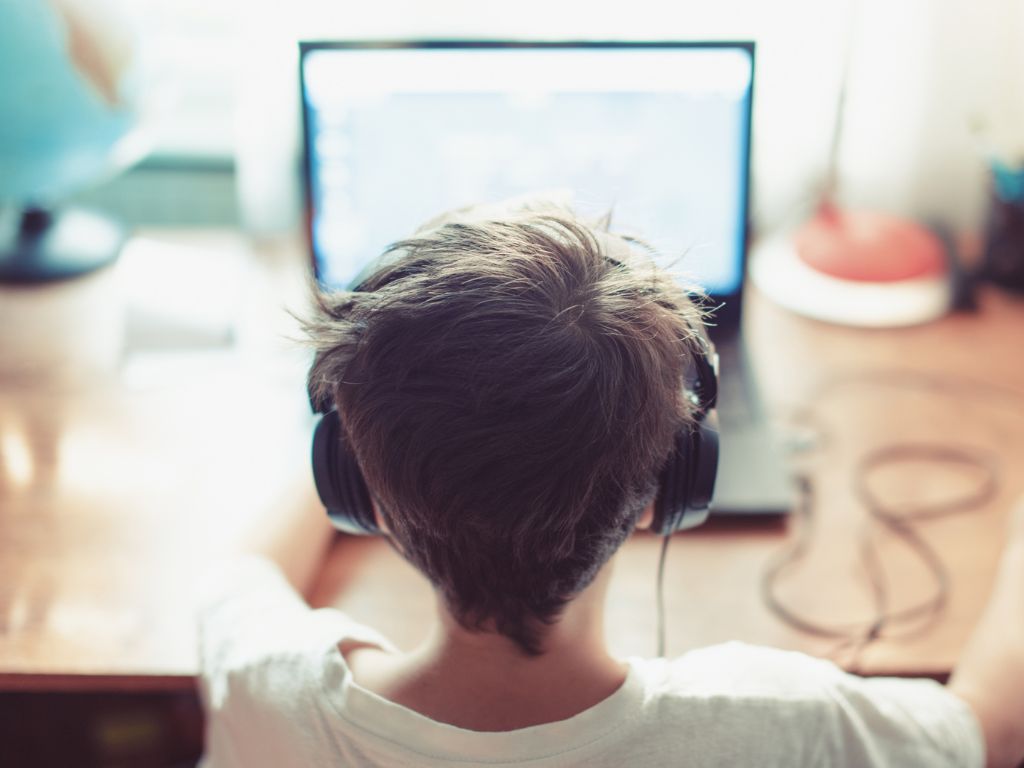
How to develop responsible digital skills in daily life
The concept of healthy digital refers to the search for a balance between online and offline life. Some practical recommendations are:
- Establish digital disconnection schedules.
- Prioritize face-to-face activities such as sports or family leisure.
- Use social networks critically, avoiding overexposure or constant comparison.
- Leverage digital tools for training, teamwork and creativity, rather than passive consumption of content.
A healthy digital environment contributes to emotional, physical and social well-being, avoiding problems such as digital fatigue or isolation. Beyond the risks, technology offers enormous potential to develop essential skills for future work and personal development.
The role of recycling in responsible digital use
The good use of technology involves not only how we interact with digital devices in our daily lives, but also how we manage their entire life cycle. This is where the responsible use of technology comes into play, closely linked to the recycling and proper management of Waste Electrical and Electronic Equipment (WEEE).
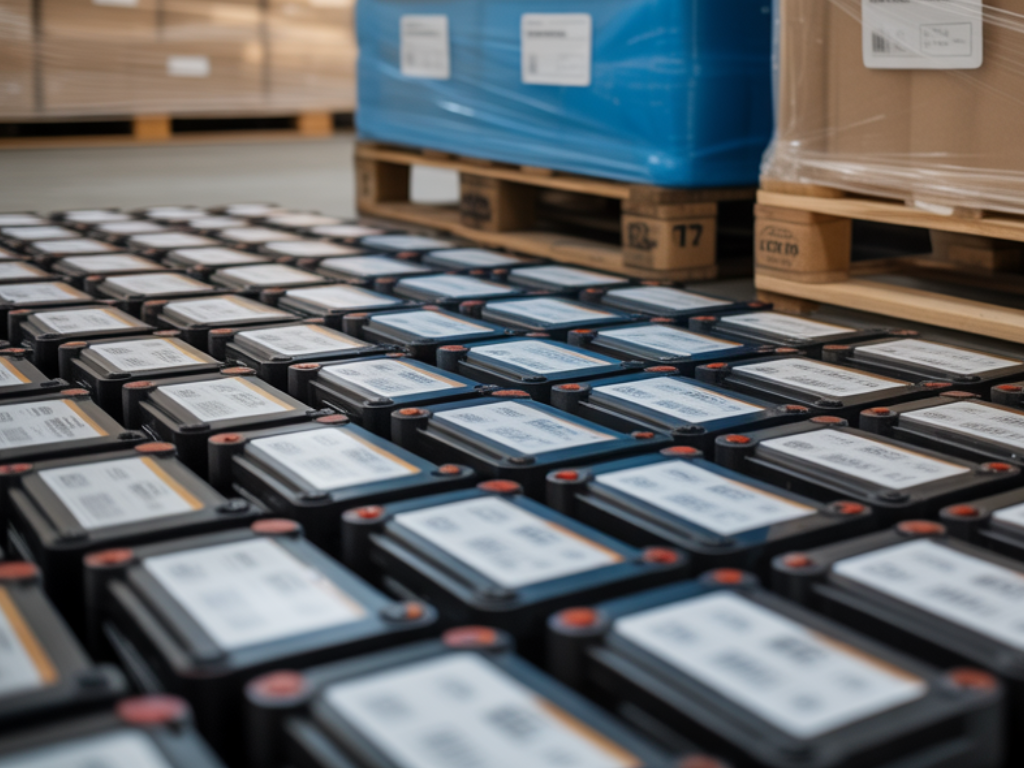
Rapid innovation and the constant release of new devices have turned electronic waste into one of the world’s fastest growing waste streams. These devices contain highly polluting materials such as lead, mercury or cadmium, which can cause serious damage to health and the environment if not properly managed.
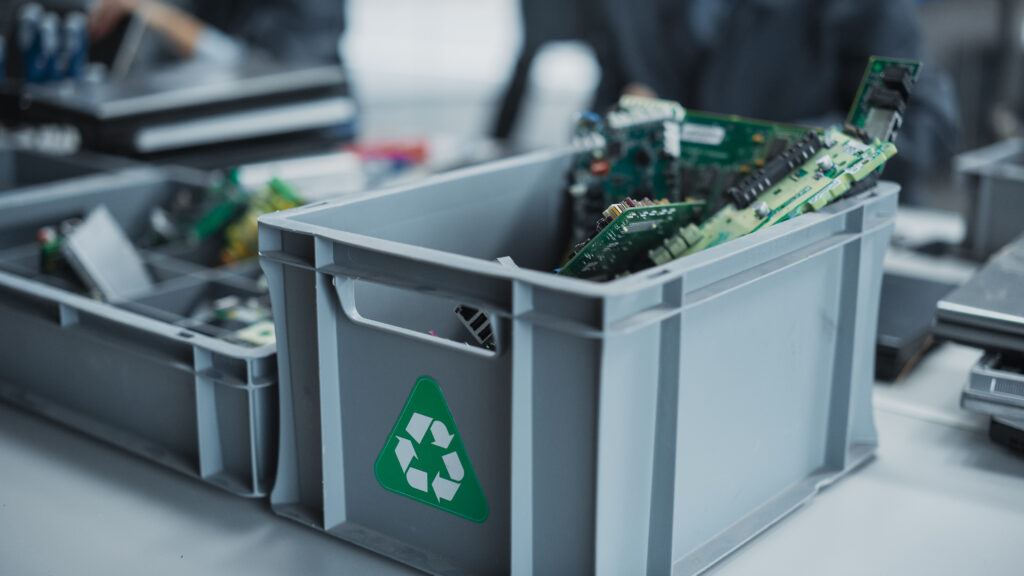
Responsible use of technology includes two key dimensions:
Reduce the generation of WEEE
Adopting conscious consumption habits can make a difference:
- Think before you buy: avoid impulse purchases and go for durability.
- Repair before disposal: extend the useful life of devices through repairs or reconditioning.
- Reuse and share: give new uses to components and accessories to reduce waste.
Efficient use: use devices only when necessary, saving energy and extending their useful life.
2. Proper management of end-of-life equipment
When a device can no longer be used, it is essential to act responsibly:
- Drop-off at municipal clean or green points: Household appliances such as small household appliances (blenders, dryers, toasters), small computer and telecommunications equipment (cell phones, tablets, laptops), energy-saving light bulbs or LEDs, electronic toys and batteries should be deposited here. These points ensure that materials are recycled or reused in safe conditions.
- Specialized management through authorized managers: In the case of WEEE of business or industrial origin, such as large computer equipment, electrical machinery, servers, air conditioning systems, professional luminaires or medical and laboratory equipment, collection and treatment by authorized companies is mandatory. These wastes usually contain highly polluting substances (lead, mercury, oils, refrigerant gases) and require specific decontamination processes.
With these practices, we not only reduce the generation of electronic waste, but we also promote the circular economy and contribute to a more responsible and sustainable digital world. At Sircat we have a WEEE management service if your company needs to recycle electrical and electronic equipment in a sustainable and efficient way.
Responsible use of technology is not an option, but a necessity in an environment where digital devices are part of our daily lives. Educating young people, integrating parental controls, promoting a healthy digital environment and encouraging the recycling of devices that become obsolete are essential steps to ensure that the Internet and social networks become allies, not threats.
In short, the aim is to build a more responsible and secure future, where technology is a tool for progress, inclusion and collective well-being.