In the field of waste management, distinguishing between hazardous and non-hazardous waste is essential to protect human health, preserve the environment and comply with current regulations. Law 7/2022, on waste and contaminated soils for a circular economy, establishes the legal framework that regulates how both types should be classified, stored and managed.
Knowing the differences not only avoids penalties, but also allows for more efficient, sustainable and safe management.
What is the main difference between hazardous and non-hazardous waste?
According to MITERD (Ministry for Ecological Transition and Demographic Challenge) the key difference lies in the level of risk and the hazard characteristics they represent:
Hazardous wastes have characteristics that may pose a significant hazard to people or the environment. Their management is subject to stricter controls, as they represent a potential risk to health or the environment.
Non-hazardous waste, on the other hand, does not contain hazardous substances and can be treated by simpler procedures, although it is still regulated.
Comparison: Hazardous VS Non-Hazardous Waste
| Feature | Hazardous waste | Non-hazardous waste |
| Health and environmental risk | Medium or High | Low or none |
| Hazard assessment required | Yes (HP characteristics) | No |
| Specific regulations | Law 7/2022 + CLP Regulation + others | Law 7/2022 + others |
| Storage and transport | Strict, following special instructions | Conventional, always in compliance with regulations |
| Examples | Used oils, paints, batteries, solvents, solvents, etc. | Paper, cardboard, vegetable waste, glass |
What is considered hazardous waste?
A waste is considered hazardous when it exhibits one or more of the 15 hazardous properties (HP) described in the regulation annexed to Directive 2008/98/EC. These include flammability, toxicity, corrosivity, ecotoxicity or ability to cause disease, among others.
Common examples:
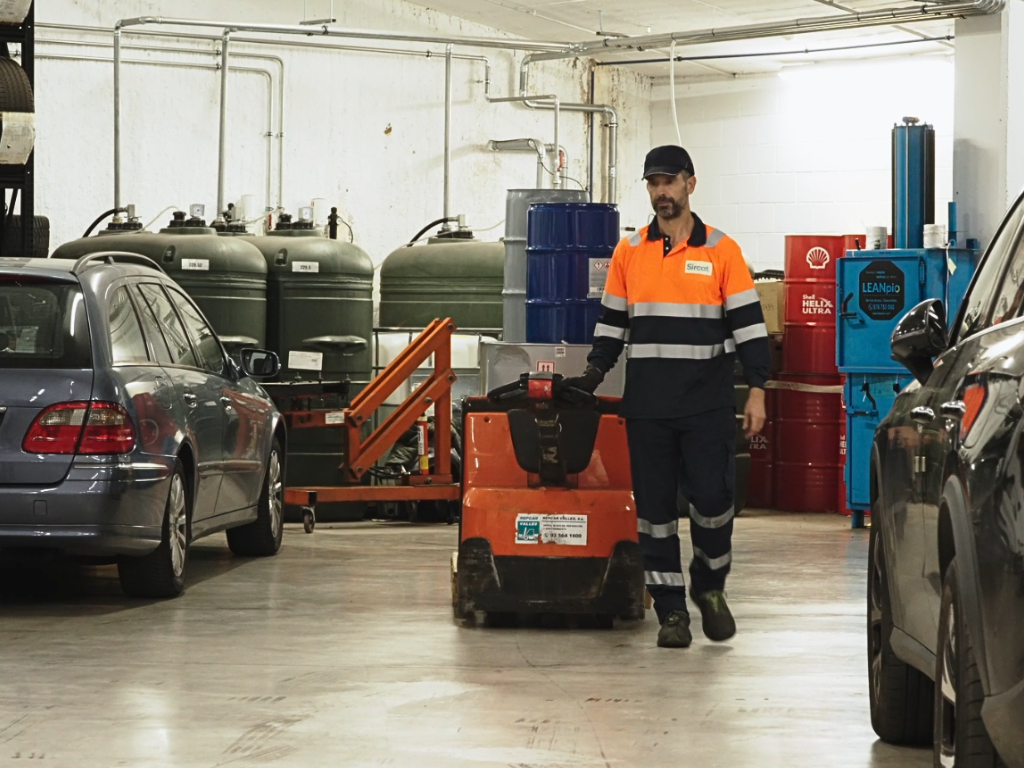
- Used oils: industrial waste with risk of contamination.
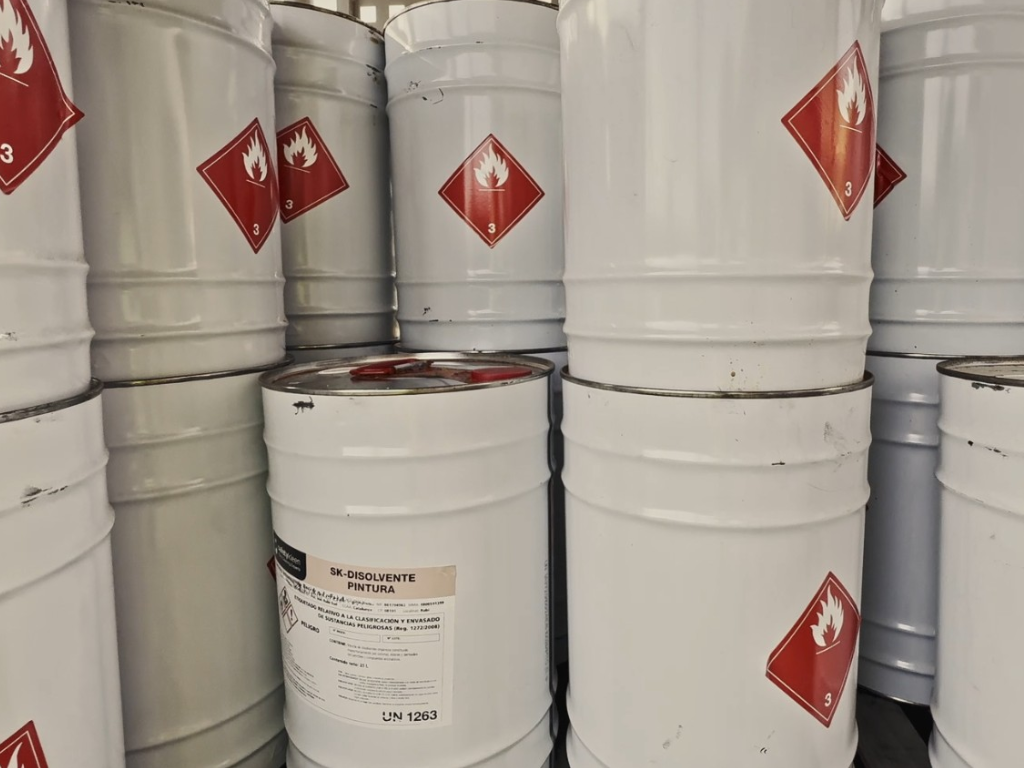
- Solvents and paints: materials containing flammable or toxic substances.
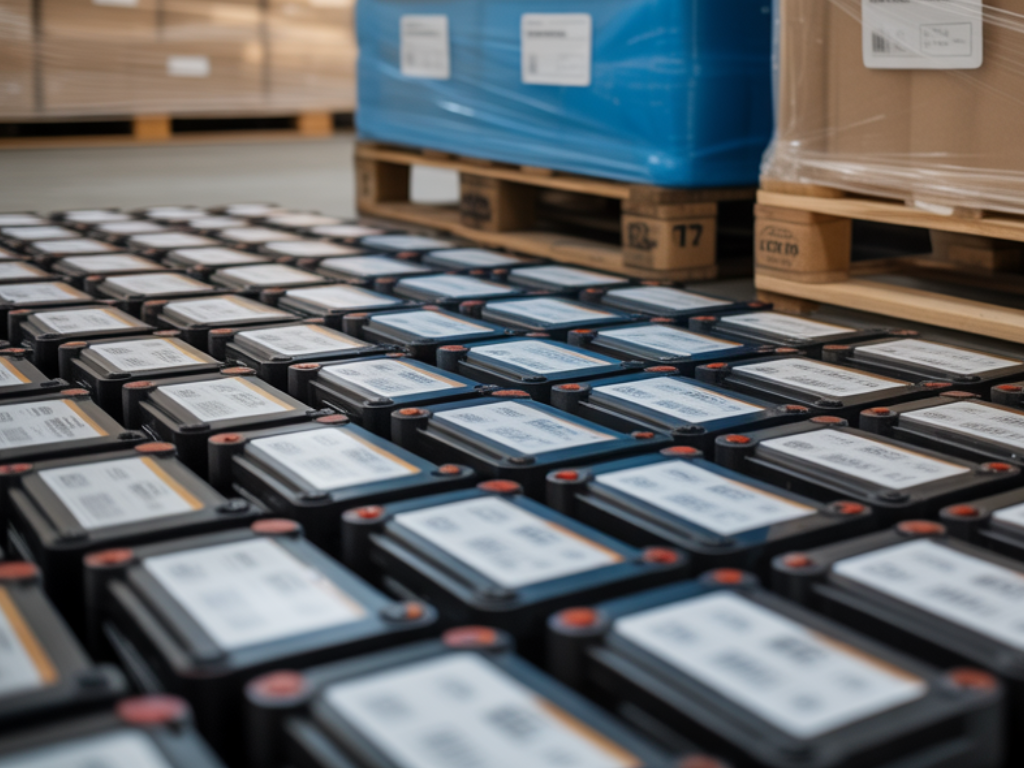
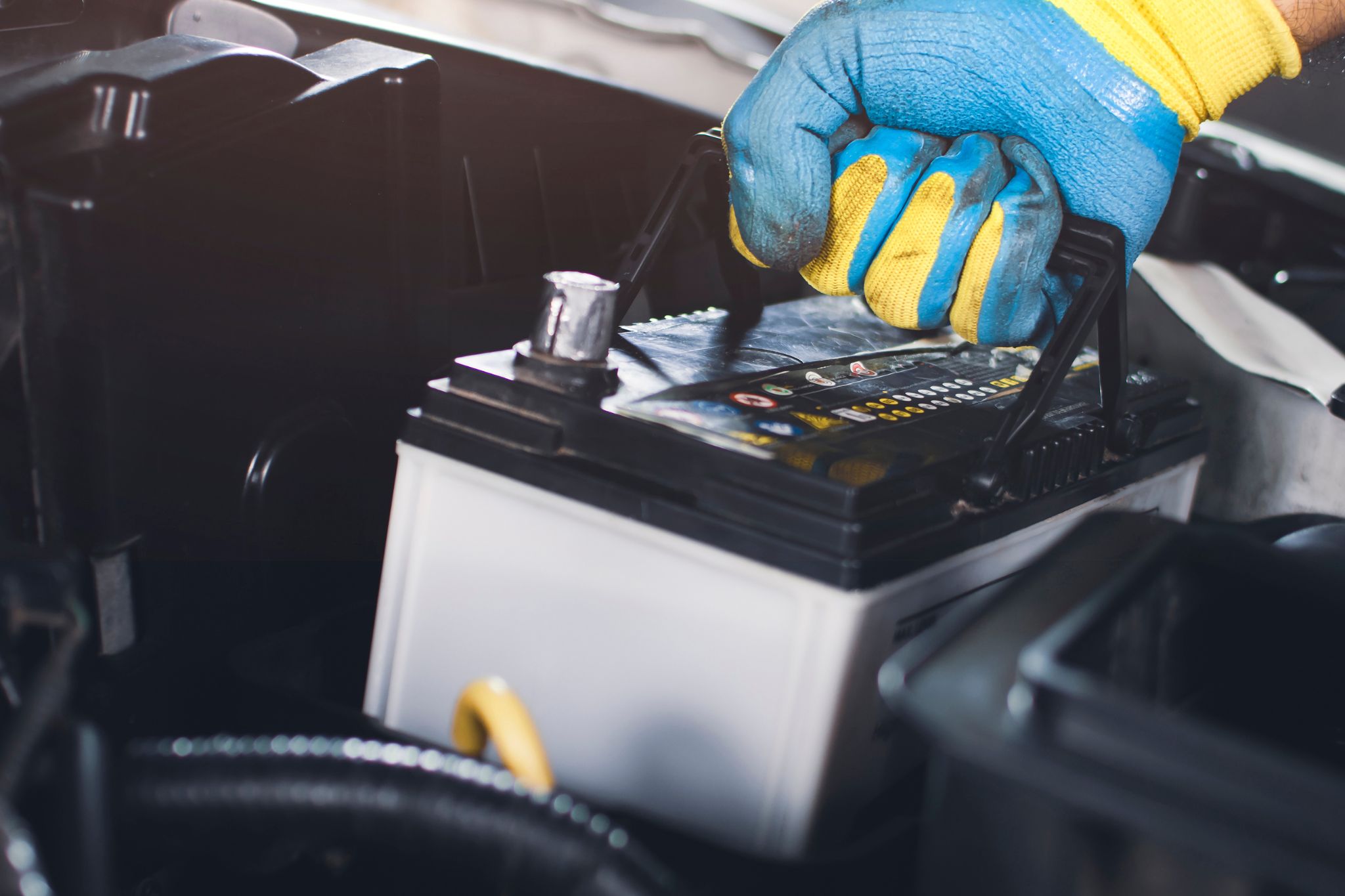
- Batteries or accumulators: contain heavy metals such as lead or mercury.
- Contaminated containers: containers that have contained hazardous products.
These characteristics require stricter and more specialized management, from its generation to its final destination.
And what is non-hazardous waste?
Non-hazardous wastes are those that do not present any of the HP characteristics described above.
However, although their impact is minor, they must be properly managed to avoid environmental problems and to take advantage of their valorization potential.
Common examples:
- Household waste: such as paper, cardboard, plastics and organic waste.
- Pruning or gardening waste: vegetable matter without chemical contaminants.
- Inert waste: rubble, concrete or bricks, which do not react chemically.
- Clean food containers: cardboard or plastic containers without contaminant residues.
How is waste sorted?
The European Waste List (EWL) assigns a code to each type of waste, and if it includes an asterisk (*), it is considered hazardous.
In addition, there are mirror codes, which require an analysis of the composition of the waste to determine whether it is hazardous or not.
This analysis and classification is essential to comply with the law and to apply the appropriate treatment to the waste generated.
How is the classification performed?
The correct classification of waste is an essential step in determining its hazardousness and defining its treatment. This process is based on regulatory and technical criteria that allow the waste to be assigned a specific identification code, guaranteeing its proper management and legal compliance.
- Composition analysis: Hazardous substances and their concentration are identified.
- Laboratory tests: In cases where the composition is not known or the data are not conclusive.
- Precautionary principle: If in doubt, it is classified as hazardous for safety.
- Presence of POPs (Persistent Organic Pollutants): Toxic substances that do not degrade easily and can accumulate in the environment.
Hazardous vs non-hazardous waste management
The management of a waste varies significantly according to its level of hazardousness, as each type requires specific procedures to ensure human and environmental safety and regulatory compliance.
Hazardous waste requirements
- Safe storage: They should be kept in specific areas, protected from the weather, with containment and retention systems for possible leaks.
- Mixing or dilution prohibited: May not be mixed with other wastes or diluted to reduce their hazardousness.
- Suitable packaging: resistant, leak-proof, approved and compatible with the substance to be stored.
- Mandatory labeling: Must include the LER code, hazard characteristics, producer’s data and risk pictograms.
- Specialized transport: When they are also dangerous goods, they must comply with ADR (road), RID (rail), IMDG (maritime) or IATA (air) regulations.
- Minimization plan: Mandatory for those who generate more than 10 tons per year. Seeks to reduce the amount and hazardousness of waste produced.
- Electronic chronological file: Records every movement of the waste from its origin to its destination.
Requirements for non-hazardous waste
- Separation at source: To facilitate selective collection and recycling.
- Recycling or recovery: Whenever possible, materials should be recovered for reuse.
- Disposal in authorized facilities: If they cannot be recycled, they must be deposited in specific treatment plants.
- Mandatory collection by specific fractions: such as bio-waste, bulky waste, textiles or used oils, according to local regulations.
- Professionalized transport: By authorized companies to guarantee the traceability of the waste.
Understanding the difference between hazardous and non-hazardous waste is an essential part of any corporate sustainability strategy. Proper classification and correct, compliant management not only protects the environment, but also avoids legal penalties and enhances corporate reputation.
At Sircat we are specialists in the collection and management of hazardous and non-hazardous waste and our technical team offers personalized advice to ensure regulatory compliance, minimize risks and optimize your environmental management.Contact us!