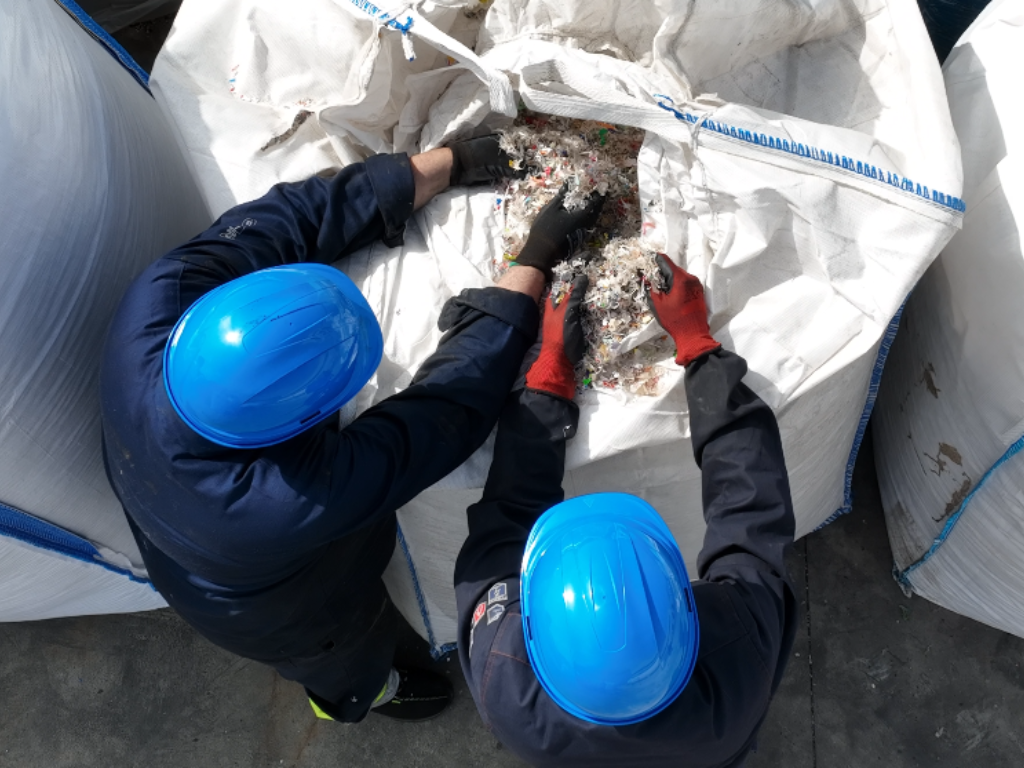
The material recovery of waste is a fundamental process in the circular economy, which makes it possible to recover and reuse waste by converting it into raw materials, transforming it into useful resources for new production processes. This strategy reduces the extraction of raw materials, reduces the amount of waste in landfills and minimizes environmental impact, contributing to the fight against climate change.
Unlike conventional disposal, this approach optimizes waste management, making it possible to exploit its value and extend its life cycle. Thus, materials such as plastics, metals, paper or organic waste can be reincorporated into the production chain instead of being discarded.
Benefits of material recovery of waste
Applying material recovery of waste has multiple advantages in environmental, economic and social terms:
Environmental benefits
- Reduction of waste in landfills: Waste accumulation is avoided, helping to achieve the goal of zero waste.
- Reduced contamination: Greenhouse gas emissions and leachates that can affect soil and water are reduced.
- Preservation of natural resources: Decreases the extraction of virgin materials, such as metals or wood, favoring ecological balance.
Economic benefits
- Savings in production costs: Using recycled materials can be cheaper than making them from scratch.
- Boosting the circular economy: Generates employment and promotes the development of new technologies in the waste management sector.
- Raw material independence: Reduces dependence on limited resources, promoting industrial sustainability.
Social benefits
- Promoting environmental education: Raising public awareness of the importance of recycling and reuse.
- Job creation: Sectors such as recycling and waste management generate jobs at all stages.
- Improved quality of life: Reducing pollution improves public health and the well-being of communities.
What waste is covered by material recovery
Material recovery of waste is applied to a wide variety of materials, allowing their reincorporation into industry. Some examples include:
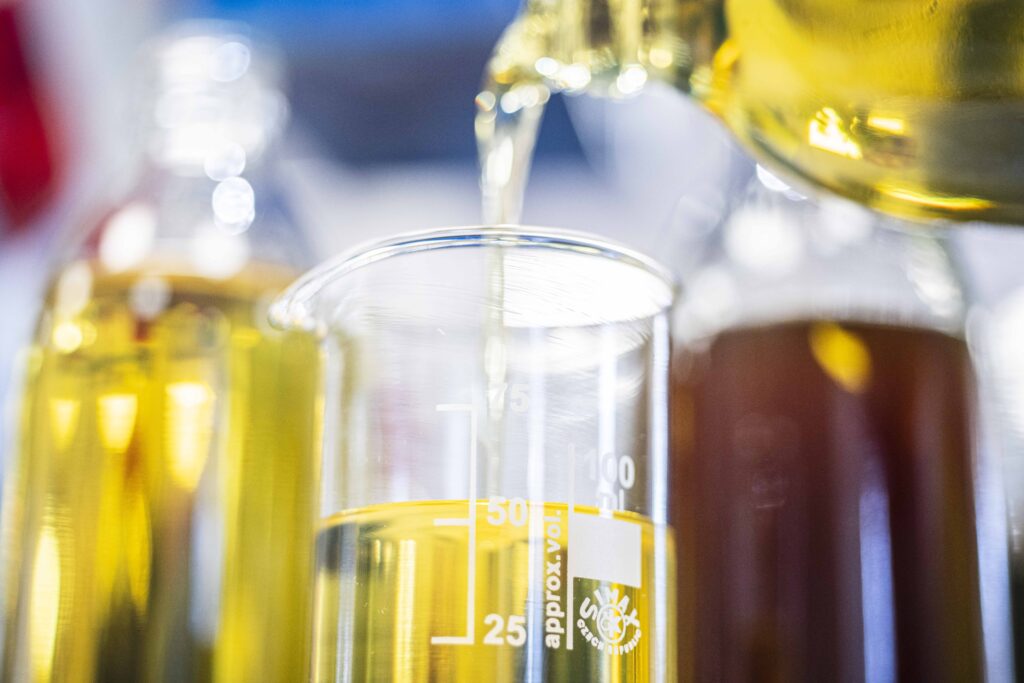
- Used industrial oil: It can be regenerated and converted into new bases ready to be marketed as lubricants as Cator does.
- Organic waste: Transformed into compost or biogas, promoting agricultural and energy sustainability.
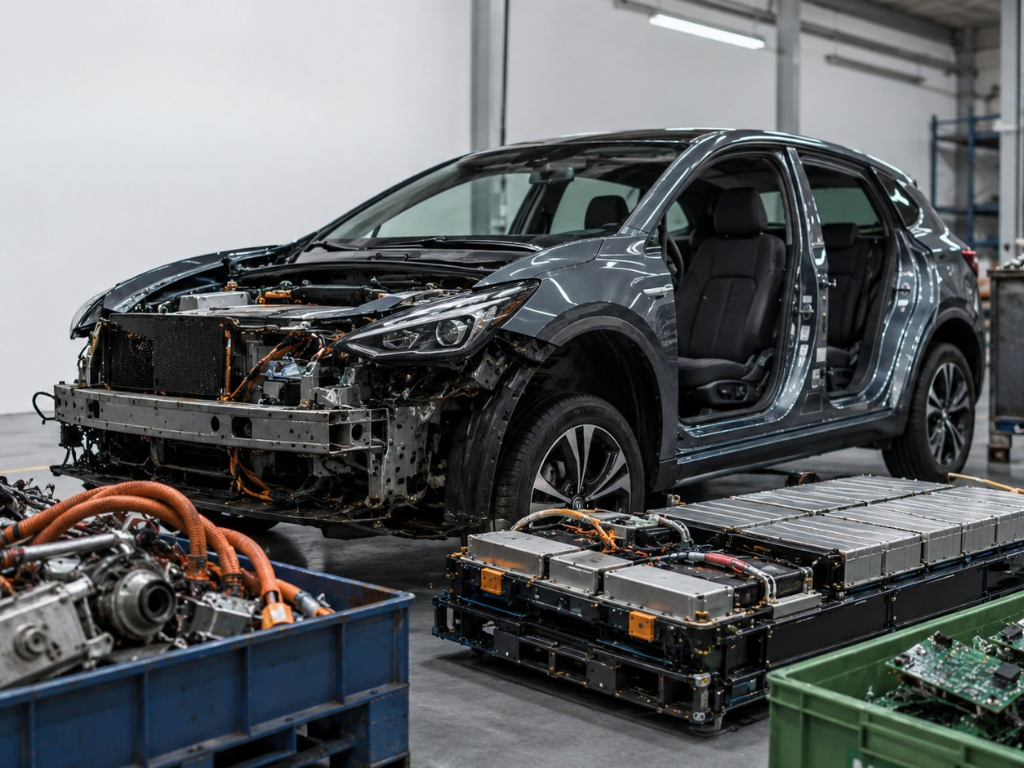
- Metals: Elements such as steel, copper or aluminum can be melted and reused in new products. At Sircat we have a specialized service for the recovery of metals such as gold, silver, platinum, copper, tin and lead which can be recovered and reused.
- Plastics: Many polymers can be recycled into new products as 2G Chemical Plastic Recycling does.
- Paper and cardboard: Processed to produce new packaging or printing products.
- Construction and demolition waste: Concrete, bricks and asphalt can be recycled for new infrastructure.
However, not all waste can be used. There are non-recoverable wastes, those that cannot be recycled or reused due to their composition or previous treatment. These must be managed safely to minimize their impact.
The material recovery of waste is a key tool for reducing pressure on natural resources, reducing the volume of waste and promoting a more sustainable production model. This process not only reduces the amount of waste, but also contributes to the development of the circular economy, generating environmental, economic and social benefits.
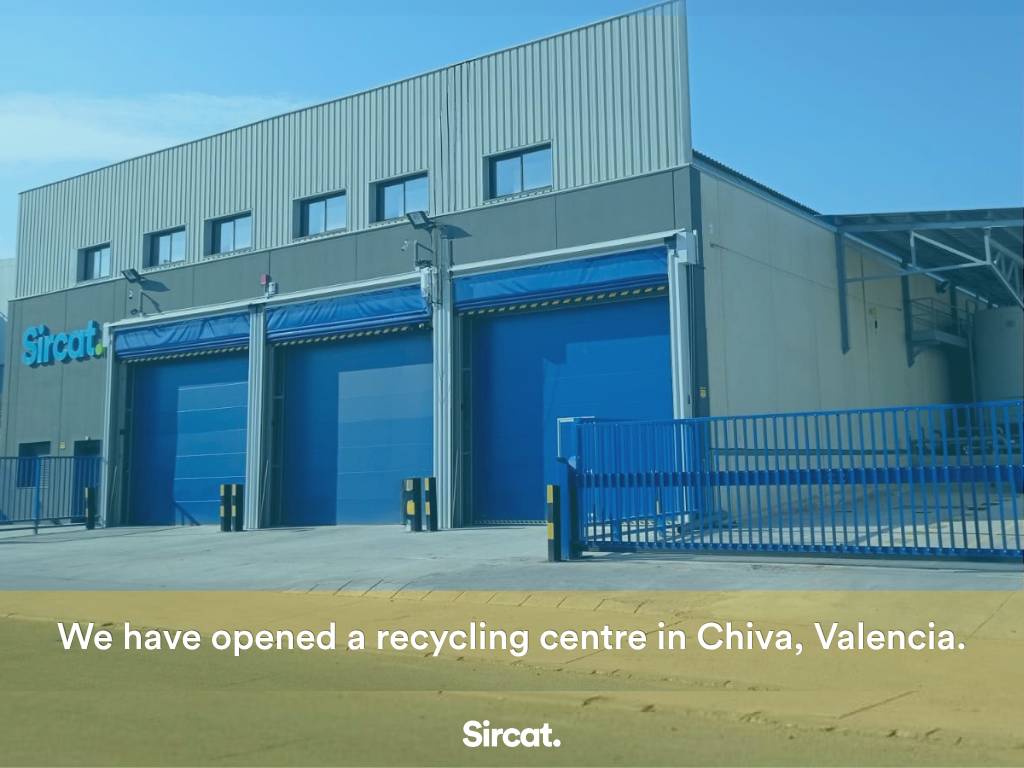
At Sircat, we are committed to efficient and sustainable waste management, ensuring that reusable materials are re-integrated back into the production chain. Through our management of hazardous and non-hazardous waste, we help companies and industries to optimize their waste, minimizing environmental impact and promoting a cleaner and more responsible future. Together we can move towards the goal of zero waste!