Nowadays, due to the constant technological evolution we live in, the manufacturing of electronic and electrical appliances has increased, causing an increase in Waste Electrical and Electronic Equipment (WEEE). This increase poses enormous challenges for environmental management and sustainability.
What is WEEE?
Waste Electrical and Electronic Equipment (WEEE) is a specific group of waste electronic and electrical equipment that is removed when it reaches the end of its useful life. WEEE covers a wide range of products, from household appliances such as refrigerators and washing machines to electronic products such as cell phones, screens and obsolete computers.
Why WEEE management is necessary
WEEE management in Spain is important for several reasons; Firstly, WEEE contains a variety of hazardous materials and components, such as heavy metals and toxic chemicals, which, if not properly managed, can pose health risks to people and the environment. Proper management of WEEE prevents the discharge of these hazardous substances into the environment, thus protecting public health and the quality of air, water and soil.
On the other hand, WEEE also contains a large amount of materials and elements, which can be recovered and recycled for reuse in the manufacture of new products. A separate collection and responsible treatment of WEEE facilitates the recovery of these materials, which contributes to circularity, conservation of natural resources and reduction of material dependence.
Finally, it should be noted that, both in Europe and in Spain, the management of HLW is subject to strict waste regulations, which require adequate collection, treatment and recycling systems. Efficient management of this type of waste is essential to comply with these regulations and avoid possible penalties.
WEEE management regulations
In Spain, the management of Waste Electrical and Electronic Equipment (WEEE) is governed by both national and European regulations. One of the key pieces of legislation is Directive 2012/19/EU of the European Parliament, which establishes the framework for the correct management of WEEE in the member states that make up the European Union.
In Spain, we are governed by the Royal Decree 110/2015 on waste electrical and electronic equipment which aims to correctly define the regulation and use of WEEE thus improving the existing management model until then and applying new measures to improve the separate collection of WEEE. In this sense, the legislation is committed to two very marked lines of action: Reduction of the generation of this type of waste and its correct reuse.
Producers of electronic and electrical equipment
Royal Decree 110/2015, establishes a series of obligations for manufacturers of electronic and electrical equipment (EEE) in Spain. These responsibilities focus on the proper management of the waste generated by their products at the end of their useful life, in order to ensure that they are properly treated, thus promoting the circular economy. In addition, it establishes the manufacturer as the main responsible for financing waste management with the aim of improving the design of EEE, thus facilitating its future disassembly, repair and recycling, making the waste management process cheaper when it becomes obsolete.
WEEE electronic platform
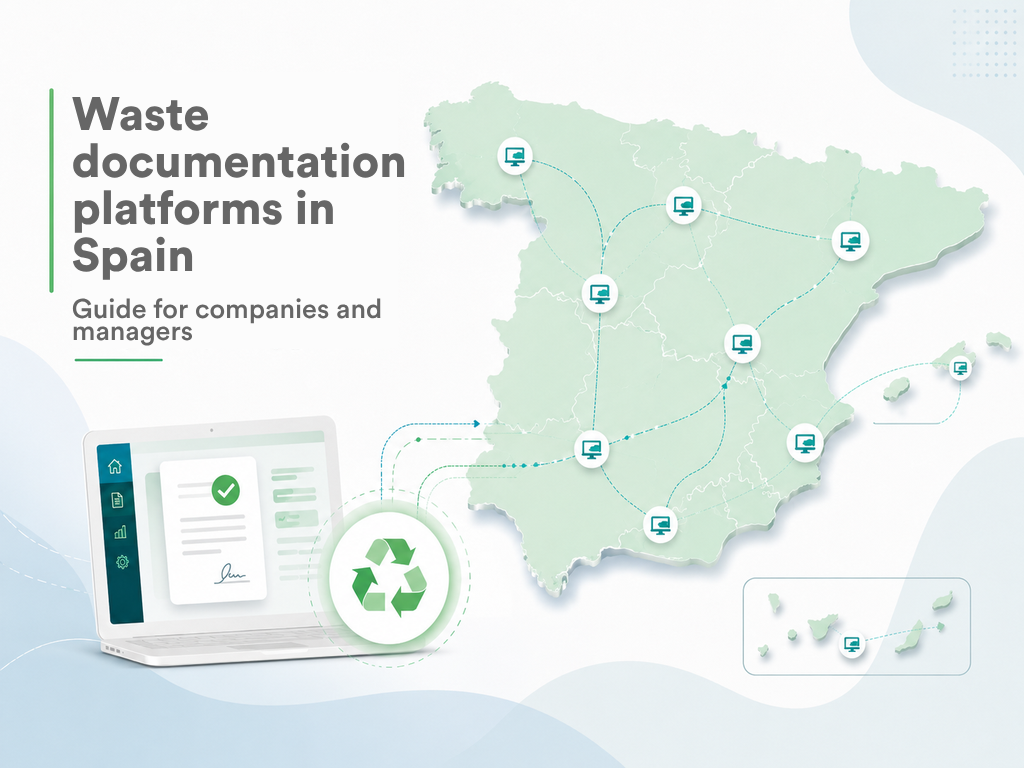
To ensure the control and traceability of WEEE, the Royal Decree establishes an electronic platform which compiles information on the collection and treatment of waste in each autonomous community, thus guaranteeing regulatory compliance by waste managers. In addition, this tool facilitates the control of WEEE data by public administrations, avoiding confusing information and optimizing results.
WEEE management challenges
Currently, the management of WEEE in Spain presents significant challenges that must be addressed to ensure its proper management:
- Separate collection: Despite efforts, separate collection of WEEE in Spain is still not up to par. This is due to a lack of public awareness of the importance of returning their electronic devices at the end of their useful life and limited collection points.
- Complex logistics: WEEE management in Spain is complex and fragmented, making it difficult to coordinate and improve. Several stakeholders are involved, including manufacturers, distributors, local authorities and waste managers, which can cause problems in the implementation and monitoring of these systems.
- Inadequate management of WEEE: Although progress has been made in the treatment of WEEE in Spain, today there is still a lack of adequate treatment facilities with specialized reprocessing equipment that can cover all needs.
- Education and awareness: Public awareness and education on the importance of proper WEEE management are essential to address this challenge. There is a need to promote greater awareness of the environmental and social impacts of WEEE and the methods by which it can be collected and treated responsibly.
The management of Waste Electrical and Electronic Equipment (WEEE) in Spain is a complex challenge that requires urgent attention and action to promote the circular economy and protect the environment. Collective commitment and effective collaboration between the different actors involved is needed to achieve effective WEEE management and move towards a more sustainable and responsible society.
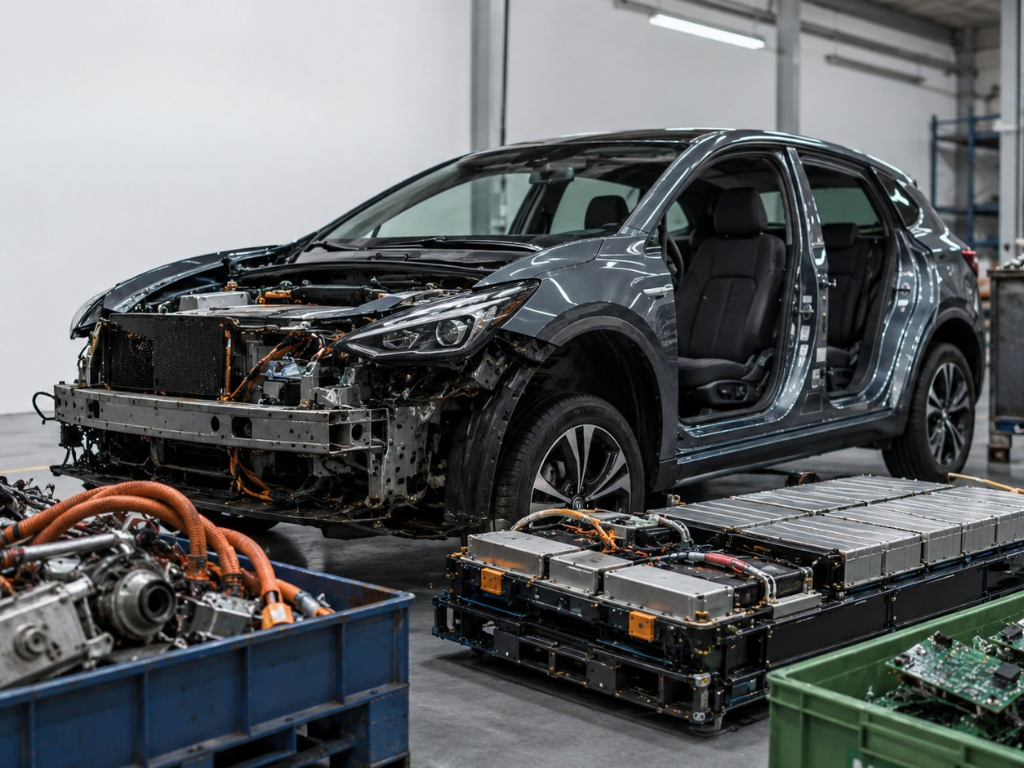
At Sircat we offer the WEEE treatment service that guarantees a safe collection of devices, controlled disassembly and recovery of assets that can be recycled to return to the production system in compliance with the relevant regulations.